

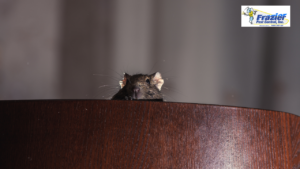
Rodent removal in Palm Springs should begin as soon as you notice scratching sounds, droppings, gnaw marks, unusual odors, or damaged storage. Rats and mice can enter desert homes through small gaps and quickly settle into garages, attics, walls, utility areas, and other protected spaces.
Catching one rodent does not always solve the underlying problem. Effective control requires a practical plan that identifies active areas, removes rodents, addresses entry points, and reduces the food, water, and shelter that can attract them back.
Watch our latest video about rodent removal in Palm Springs
Rodent Removal in Palm Springs and the Coachella Valley: How to Get Rid of Rats and Mice and Keep Them Out
1) Why monsoon weather changes scorpion behavior in the Coachella Valley
Monsoon season in the desert is a unique mix: high daytime temperatures, warm nights, and a sudden jump in humidity—sometimes with heavy rain and wind. Those changes affect scorpions in a few practical ways:
• Moisture shifts their movement patterns. Scorpions don’t need standing water the way some pests do, but humidity and damp ground can influence where they hunt and where they shelter. After rain, the “usual” dry hiding spots may be disturbed, flooded, or simply less comfortable.
• Prey activity increases. Many insects that scorpions feed on—including crickets, cockroaches, and other small pests—may become more active around moisture, irrigation, and storm debris. Learn why more bugs appear after rain and why cockroaches become active at night around kitchens, garages, drains, and utility areas.
• Storms disrupt harborage. Wind and rain can move landscape debris, wash out gaps, and push pests out of protected areas. If scorpions were tucked under pavers, in block wall voids, or in landscape clutter, a storm can force them to relocate.
• Warm nights keep them active. In cooler climates, pests slow down at night. In the desert, monsoon nights can stay warm, which is prime time for scorpion activity. That’s also when people let dogs out, take out trash, or walk barefoot to the pool—exactly when an accidental encounter is most likely.
The key takeaway: after a monsoon storm, scorpions may not be “new” to your property. You’re often seeing them because their routes and hiding places changed, and they’re hunting in slightly different areas.
For a broader overview of local species, hiding places, warning signs, and prevention strategies, review our guide to scorpions in Coachella Valley homes.
2) Where scorpions go right after storms (and why you notice them indoors)
After monsoon weather, scorpions commonly end up in places that feel protected, dry, and stable. In Palm Springs-area homes, that often includes:
• Garages and storage rooms. Cardboard boxes, stacked items, and clutter create perfect hiding spots. Garages also tend to have small gaps at the door seal or side framing.
• Around exterior doors and sliding glass doors. If weatherstripping is worn or there’s a small threshold gap, scorpions can slip in. They don’t need a large opening.
• Bathrooms and laundry rooms. These rooms can attract insects and provide humidity. Scorpions may follow prey and end up near baseboards or behind items stored on the floor.
• Block walls and fence lines. In many Coachella Valley neighborhoods, block walls have voids and expansion gaps that can harbor insects and scorpions. After storms, activity along these lines can spike.
• Pool equipment areas and irrigation zones. These spots combine moisture, shade, and insect activity. If you have a pool, the equipment pad can become a “hub” for prey insects, which can draw scorpions.
Why you notice them more after storms: you’re more likely to see scorpions when they’re traveling. A scorpion tucked under a paver is invisible. A scorpion crossing a garage floor is not.
3) A post-storm scorpion checklist: what to do in the first 48 hours
If you’ve had a monsoon storm and you’re concerned about scorpions (or you’ve already seen one), focus on quick, practical steps that reduce immediate risk.
What to Do After Seeing a Scorpion Following a Storm
1. Do a nighttime flashlight check
Scorpions are nocturnal. If you can safely do so, check key areas 1–2 hours after dark: along exterior walls, near door thresholds, around the garage, and by pool equipment. A UV flashlight can help because scorpions fluoresce under UV light. If you find scorpions, note the exact locations—patterns matter.
2. Reduce “easy shelter” right away
Pick up storm-blown debris, palm fronds, and clutter near the house. Move items away from exterior walls. The goal is to remove quick hiding spots that let scorpions linger close to entry points.
3. Check door sweeps and weatherstripping
After wind and rain, seals can shift. Look for:
• Daylight under exterior doors
• Gaps at the corners of garage doors
• Loose or cracked weatherstripping on sliding doors
A small gap is enough for a scorpion to enter.
4. Keep floors clear in high-risk rooms
In bathrooms, laundry rooms, and garages, avoid leaving towels, clothes, or shoes on the floor for a couple of days after storms. Shake out shoes before wearing them—especially if they’re stored in the garage.
5. Manage Pet Safety: Keep dogs and other pets away from block walls, landscape edges, storm debris, pool equipment, and dark hiding areas immediately after a storm. Review these additional scorpion-safety precautions for pets, and contact a veterinarian promptly if you suspect your pet has been stung.
6. Don’t rely on “one spray” as a quick fix
Over-the-counter sprays can provide limited results and often don’t address the real driver: scorpions follow food. If insects remain active, scorpions will keep hunting.
4) Longer-term prevention: reduce food, water, and hiding spots
Monsoon season is a good reminder to tighten up the conditions that make scorpions comfortable around your home. The most effective approach is integrated: exclusion + habitat reduction + controlling prey insects.
A) Reduce the food source (insects)
Scorpions are predators. If your yard or home has consistent insect activity, scorpions have a reason to stay.
• Cut down on outdoor lighting that attracts bugs. Bright white lights can draw insects to doors and patios. Consider switching to warmer “bug” bulbs where appropriate.
• Keep trash areas clean and sealed. Spilled liquids and food residue attract roaches and other insects.
• Address roaches and crickets promptly. If you’re seeing these pests, scorpion pressure often follows.
B) Reduce water and moisture pockets
Even in the desert, small moisture sources matter.
• Fix dripping hose bibs and irrigation leaks.
• Avoid overwatering near the foundation.
• Keep planters from creating damp, shaded zones right against the house.
C) Remove hiding spots near the structure
This is one of the biggest differences between a property that “occasionally” sees scorpions and one that sees them repeatedly.
• Keep firewood and stored items elevated and away from the home.
• Minimize ground clutter: boards, stacked pavers, unused pots.
• Trim vegetation so it doesn’t touch the structure.
• Maintain a clean rock/landscape border near the foundation.
Exterior conditions can determine whether scorpions and their prey remain close to the structure. These pest-control landscaping tips for Coachella Valley yards explain how vegetation, irrigation, debris, storage, and contact with the building may support pest activity.
 D) Seal entry points (scorpion proofing basics)
Exclusion won’t eliminate scorpions by itself, but it can reduce indoor encounters.
• Install quality door sweeps.
• Seal cracks around utility penetrations (pipes, AC lines) with appropriate materials.
• Screen weep holes where feasible and appropriate.
• Repair torn window screens.
If you’re in a neighborhood with block walls, pay extra attention to the perimeter. Those wall voids can act like highways for insects and scorpions, especially after storms.
If you are uncertain about the species, review these Arizona bark scorpion identification and safety considerations. Avoid handling an unidentified scorpion directly, even if it appears inactive.
5) When to call a professional for scorpion control
A single scorpion sighting after a storm does not necessarily indicate a widespread infestation. However, repeated indoor sightings, activity in multiple areas, or consistent prey-insect problems may indicate that the property needs a more comprehensive scorpion-control plan.
Consider professional help if:
• You’ve seen more than one scorpion in a week, especially indoors.
• You’re seeing scorpions in multiple areas (garage + patio + bathrooms).
• You have frequent cricket/roach activity (a strong food source).
• You have small children, pets, or anyone in the home with higher sting risk.
• Your property backs up to open desert, wash areas, or has extensive block walls and dense landscaping.
 Professional scorpion control is most effective when it’s targeted and consistent. It typically focuses on:
• Reducing prey insects with strategic treatments
• Identifying and correcting harborage conditions
• Advising on exclusion points specific to your home’s construction
At Frazier Pest Control, the goal is not just to respond to a sighting—it’s to reduce the conditions that keep scorpions returning, especially during monsoon season when activity can spike.
If you’ve noticed scorpions after recent storms, take action quickly: clean up storm debris, tighten up entry points, and address insect activity. The sooner you break the “food and shelter” cycle, the less likely you are to keep seeing them as the season continues.
Request a Scorpion Inspection
Seeing scorpions after a recent monsoon storm? An inspection can help
identify hiding places, possible entry points, moisture conditions, and
prey-insect activity around your property.
Scorpion-control assistance for Palm Springs and communities throughout
the Coachella Valley.
Recent Comments