
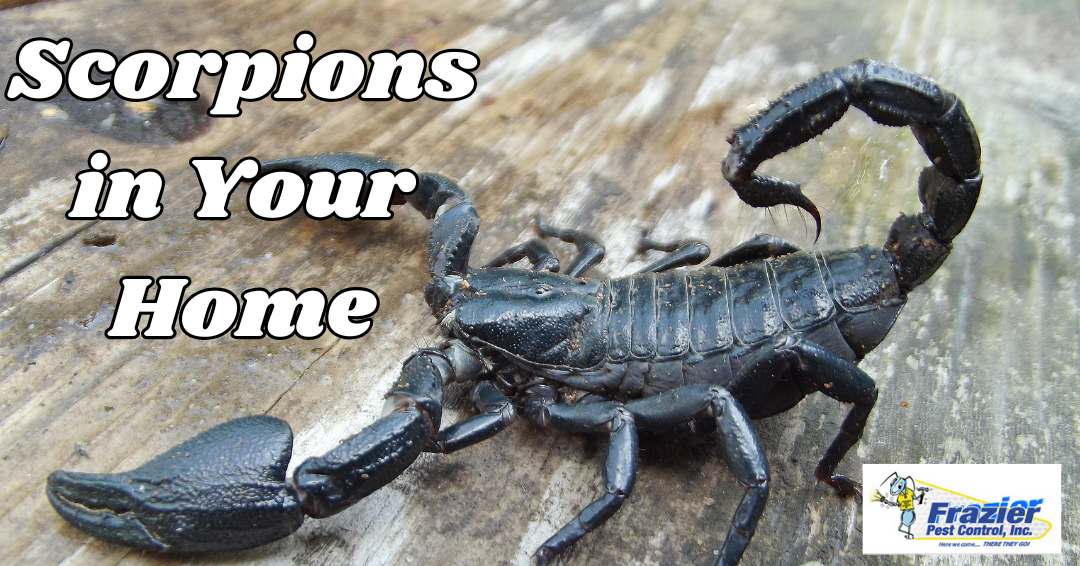
Scorpions are common in desert regions like the Coachella Valley because they prefer warm, dry climates, hide during the day, and come out at night to hunt insects. Around homes, they are often drawn to moisture, irrigation, outdoor lights that attract prey, clutter, firewood, rocks, gaps under doors, and cracks around foundations or utility lines. The best scorpion prevention strategy is to seal entry points, reduce hiding areas, manage moisture, control insects they feed on, and schedule professional pest control if sightings continue indoors.
For Coachella Valley homeowners, one scorpion sighting should not be ignored. Scorpions can enter garages, bathrooms, kitchens, laundry rooms, closets, pool equipment areas, and storage spaces while searching for shelter, water, or prey. According to UC IPM, scorpions are nocturnal predators that feed on insects and other arthropods, and many North American species occur in warm, dry regions including parts of California.
Stung by a scorpion? Wash the area with soap and water and apply a cold compress in 10-minute intervals.Seek urgent care immediately for trouble breathing, uncontrolled pain, vomiting/drooling, muscle jerks, or any symptoms in children. Don’t cut/suck the sting or use tourniquets. Keep a specimen only if it’s safe.
Understanding Scorpions in the Coachella Valley
What Types of Scorpions Are Common in the Desert?
Scorpion species found in Southern California and the wider desert Southwest include the following. Their prevalence varies by location, so identify a scorpion before assuming it is an Arizona bark scorpion.
- Arizona Bark Scorpion (Centruroides sculpturatus): The most venomous scorpion in North America. Its sting can cause serious medical symptoms.
- Striped Tail Scorpion (Paravaejovis spinigerus): Less venomous but common around homes.
- Giant Desert Hairy Scorpion (Hadrurus arizonensis): The largest North American scorpion; intimidating but generally less dangerous.
Knowing which species you might encounter is critical because it informs the level of vigilance and treatment strategies needed.
UC IPM’s California scorpion guide describes the striped-tail scorpion as common in Southern California, while placing the Arizona bark scorpion’s California range near the Arizona border.
“In the Coachella Valley, scorpion encounters peak during the warmer months, from May through September,” says Joe Frazier, founder of Frazier Pest Control. “Homeowners should stay proactive year-round, especially given our mild winters.”
Why Scorpions Thrive in the Desert
Scorpions are perfectly adapted to desert conditions. They hide during the hot day in cool, dark spaces and emerge at night to hunt. Their exoskeletons retain moisture efficiently, allowing them to survive extreme temperatures. In residential areas, landscaping features, irrigation systems, and even minor foundation cracks create ideal habitats.
 How Scorpions Enter Coachella Valley Homes
 How Scorpions Enter Coachella Valley Homes
Common Entry Points
- Cracks in foundations and walls
- Gaps around doors and windows
- Unsealed vents and utility entry points
- Openings around plumbing and electrical systems
In stucco homes, also check gaps beside the wall’s weep screed. Our guide to scorpion entry through weep-screed gaps explains what to inspect without blocking the wall’s drainage openings
Once inside, scorpions seek out water sources like kitchens, bathrooms, and laundry rooms. Even a tiny leak can attract them.
Where Scorpions Hide During the Day
Scorpions usually hide during the day and become active at night. In desert homes, they look for dark, protected, cooler spaces where they can avoid heat and disturbance.
Common hiding places include:
- Garages
- Closets
- Bathrooms
- Kitchens
- Laundry rooms
- Crawl spaces
- Attics
- Pool equipment areas
- Firewood piles
- Palm trees
- Rocks and pavers
- Decorative bark or mulch
- Outdoor storage boxes
- Shoes, towels, gloves, and clothing left outside
- Cracks in block walls, stucco, or foundations
This is why homeowners should be careful when moving stored items, reaching into dark corners, or walking barefoot at night.
According to UC IPM Pest Notes, scorpions may hide under rocks, logs, sleeping bags, woodpiles, palm trees, decorative bark, loose boards, and other surface objects during the day.
Why Scorpions Are More Active at Night
Scorpions are nocturnal. They avoid the heat of the day and come out at night to hunt. Around homes, they may be active near patios, garages, foundations, outdoor lights, irrigation areas, and places where insects gather.
Nighttime scorpion activity is more likely when:
- Outdoor lights attract insects
- Crickets or roaches are active
- Landscaping is dense
- Irrigation creates moisture
- Firewood or debris sits near the home
- Door sweeps or garage seals are loose
- Exterior cracks or utility gaps are open
For prey-related pest pressure, link to cockroach infestation solutions for Coachella Valley.
Real-World Example
One Palm Desert homeowner contacted Frazier Pest Control after repeated nighttime sightings. Our inspection found scorpions entering through unsealed utility boxes outside. After sealing the gaps and applying targeted treatments, sightings dropped to zero within a month.
Scorpion Prevention Checklist for Coachella Valley Homes
Use this checklist to reduce scorpion entry points, shelter, moisture, and prey around your home:
- Install tight door sweeps on exterior doors.
- Repair loose weatherstripping around doors and windows.
- Seal cracks around foundations, stucco, and block walls.
- Screen vents and utility openings.
- Seal gaps around plumbing, electrical, and cable lines.
- Keep garage doors sealed at the bottom and sides.
- Remove firewood, boards, bricks, rocks, and debris near the foundation.
- Trim landscaping away from exterior walls.
- Reduce excess irrigation near the home.
- Fix leaky pipes, faucets, and irrigation lines.
- Move storage boxes and clutter off the garage floor.
- Shake out shoes, towels, gloves, and clothing stored outside.
- Reduce crickets, roaches, and other insects that scorpions feed on.
- Schedule pest control if scorpions continue appearing indoors.
Citation line to add: According to UC IPM, scorpion prevention includes removing trash, logs, boards, stones, bricks, and other objects around the foundation, pruning branches away from the house, and installing weatherstripping around loose-fitting doors and windows.
Vigilant Strategies to Protect Your Home
1. Seal Your Home
- Weather-strip doors and windows.
- Caulk cracks and crevices around the foundation.
- Install door sweeps on all exterior doors.
- Screen vents and seal openings around pipes and wiring.
“Home sealing is your first line of defense,” says Joe Frazier. “It’s often the difference between a random visitor and a full-blown infestation.”
2. Eliminate Shelter and Food Sources
- Keep landscaping trimmed and tidy.
- Remove debris like woodpiles, rocks, and unused pots.
- Control insects like crickets and roaches, which scorpions prey on.
For more ways to manage vegetation, irrigation, stored materials, and debris near the foundation, see our Coachella Valley pest-prevention landscaping guide
Integrated pest management (IPM) techniques targeting a scorpion’s food chain can significantly reduce their presence.
3. Manage Moisture
- Repair leaky pipes and outdoor faucets.
- Adjust irrigation systems to prevent excessive dampness.
- Use dehumidifiers indoors if necessary.
4. Professional Inspection and Treatment
Regular professional inspections identify vulnerabilities before they become infestations. Frazier Pest Control offers customized scorpion control plans, combining physical barriers, habitat modifications, and low-toxicity treatments tailored for desert environments.
How to Respond to a Scorpion Sting
If you are stung:
- Clean the sting site with soap and water.
- Apply a cool compress.
- Take pain relievers like ibuprofen if needed.
- Seek medical attention if symptoms worsen, especially in children, elderly individuals, or anyone experiencing breathing difficulties, numbness, or muscle twitching.
According to the Mayo Clinic, while most scorpion stings are not life-threatening, Arizona bark scorpions can cause severe reactions that warrant immediate emergency care.
FAQ About Scorpions in the Coachella Valley
Are scorpions common in Coachella Valley homes?
 Are scorpions common in Coachella Valley homes?
Yes, scorpions are quite common in Coachella Valley homes, especially those located near open desert spaces or with lush landscaping. Scorpions seek out moisture, shelter, and food, all of which can be found in residential yards and houses. Without proper preventative measures, it’s not unusual to encounter them inside garages, bathrooms, or even bedrooms.
What time of year are scorpions most active?
Scorpions are most active during the warmer months, typically from late spring through early fall. In the Coachella Valley, this means you are likely to see increased activity from May to September. However, because the region’s winters are mild, scorpions can remain somewhat active year-round, particularly indoors where temperatures are stable.
How can I prevent scorpions from entering my house?
Preventing scorpions requires a comprehensive strategy: sealing cracks and gaps around your home, keeping landscaping well-maintained, controlling other pests that serve as food sources, fixing water leaks, and ensuring that doors, windows, and vents are properly secured. Partnering with a professional pest control service like Frazier Pest Control can ensure thorough protection.
Can scorpions climb walls?
Yes, many scorpions have the ability to climb rough surfaces such as brick, stucco, and wood. This is why it’s important not only to seal entry points at ground level but also to check higher openings like vents, second-story windows, and even rooflines. Outdoor lighting can also attract insects, which in turn attract scorpions.
What should I do if I see a scorpion inside?
If you encounter a scorpion inside your home, stay calm. Carefully capture it if you feel comfortable, using a glass jar and a stiff piece of paper to trap it. However, one sighting often means there could be more. It’s best to schedule a professional inspection to determine if additional scorpions are hiding nearby and to address any entry points or infestations.
When Scorpion Activity Needs Professional Pest Control
One scorpion sighting outside may not always mean an infestation. But repeated sightings indoors or near high-use areas should be taken seriously.
Call a pest control professional if:
- Scorpions appear indoors more than once
- You find scorpions in bedrooms, bathrooms, or closets
- Scorpions are near children or pets
- You see scorpions in garages or laundry rooms
- Activity continues after sealing obvious gaps
- You have heavy cricket, roach, or insect activity
- You live near open desert, rocky areas, or dense landscaping
- You find scorpions around pool equipment or irrigation zones
- Someone has been stung on the property
If scorpions are appearing near a patio or pet area, read our guide to protecting dogs and cats from scorpions for prevention steps and signs that warrant a call to your veterinarian
Professional scorpion control should focus on entry points, hiding areas, prey reduction, moisture management, and targeted treatment — not just spraying randomly.
Stay Protected With Frazier Pest Control
Protecting your home against scorpions requires knowledge, vigilance, and expert care. At Frazier Pest Control, we bring years of hands-on experience and proven strategies to keep your family safe. Don’t wait until you’re dealing with an infestation — schedule a free inspection today and take proactive steps to secure your Coachella Valley home.
Stay Protected With Frazier Pest Control
Protecting your home against scorpions requires knowledge, vigilance, and expert care. At Frazier Pest Control, we bring years of hands-on experience and proven strategies to keep your family safe. Don’t wait until you’re dealing with an infestation — schedule a free inspection today and take proactive steps to secure your Coachella Valley home.
Contact us today to learn more or book a service visit! (760) 328-6115
Recent Comments