
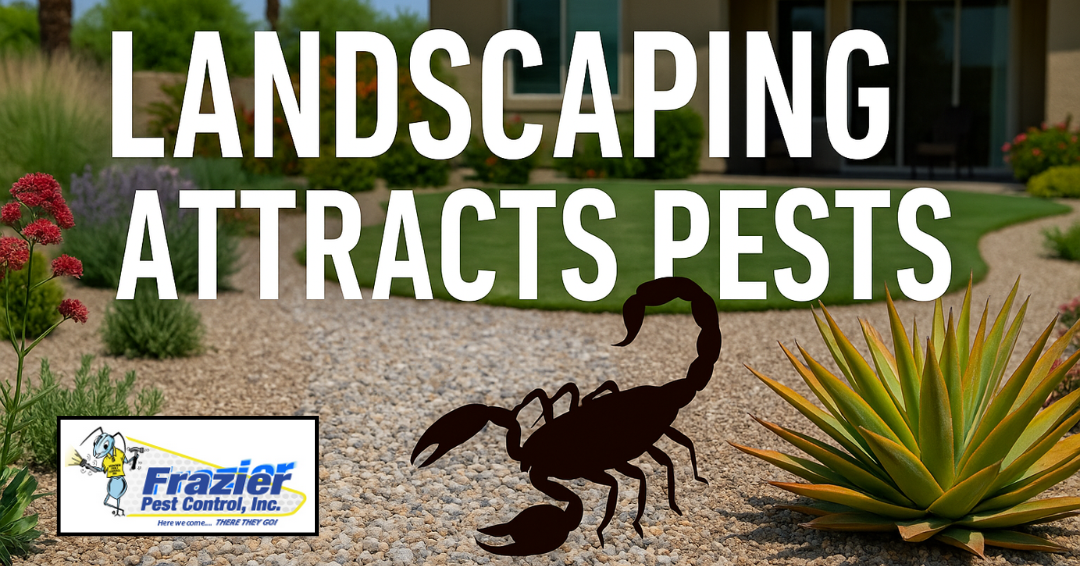
As Coachella Valley residents prepare for the warmer months, pest control landscaping becomes more important than ever. The way you design, water, and maintain your yard can make all the difference in keeping bugs and rodents away from your home.
At Frazier Pest Control, we’ve seen it all—from beautifully designed gardens that accidentally invite scorpions to water-efficient lawns that double as ant highways. Here’s how your landscaping decisions can either encourage or discourage unwanted guests—and what you can do to stay pest-free this season.
Read more: Why Subterranean Termites Often Go Undetected in Coachella Valley Homes
Landscaping and Pest Control: The Hidden Connection
Most homeowners think pest control starts at the door, but it really begins at the property line. In our years of experience serving Coachella Valley communities like Palm Springs, La Quinta, and Cathedral City, we’ve found that certain landscaping practices can unknowingly provide shelter, water, and food sources for common desert pests such as:
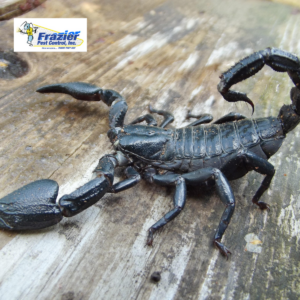
Scorpions
Ants
Cockroaches
Rodents
Mosquitoes
By understanding what attracts these pests, you can adjust your landscaping for a more pest-resistant yard.
Pest Control Landscaping Mistakes to Avoid
 1. Overwatering and Poor Drainage
 1. Overwatering and Poor Drainage
Too much water, especially in shady areas, creates the perfect environment for mosquitoes, ants, and even cockroaches. If your irrigation system floods plant beds or creates standing water, it’s time to reassess.
Pro Tip: Use drip irrigation and monitor your system regularly to avoid pooling. Schedule watering in the early morning to minimize evaporation and overwatering.
Check plant saucers, buckets, birdbaths, and other containers when you inspect irrigation. The EPA recommends emptying or changing standing water in these items at least once a week to reduce mosquito breeding sites.
For a fuller yard checklist, see our Coachella Valley mosquito-control guide
2. Mulch Overload
Mulch helps retain moisture and looks tidy—but thick layers can be a paradise for termites, ants, and earwigs.
Pro Tip: Stick to a thin, even layer of mulch and keep it at least 12 inches away from your foundation. UC IPM recommends keeping plants, grass, and mulch at least a foot from building foundations to reduce ant foraging and nesting. Keep the foundation visible when you inspect it; if you notice mud tubes or suspect activity beneath the surface, read why subterranean termites can go undetected in Coachella Valley homes
3. Dense Shrubs Near the House
Bushy plants or ground cover right next to the home give pests a shady hiding place and easy access indoors.
Pro Tip: Keep vegetation trimmed and create a clear 1–2 foot buffer zone between your home and any plantings. While trimming plants near stucco walls, check whether soil, rock, or vegetation hides gaps at the wall base. Our guide to scorpion entry through weep-screed gaps shows what to inspect while keeping the wall’s drainage openings clear
4. Pest-Attracting Plants
Some plants are more attractive to pests than others. Sweet-smelling flowers can draw insects, and fruit-bearing plants can tempt rodents.
Pro Tip: Ask your landscaper or local nursery about pest-resistant native plants, such as desert lavender or red yucca.
If fruit trees or palms are close to the house, clear fallen fruit and check whether branches give rodents a route toward the roof. See how roof rats can use Palm Springs palm trees to reach a home for a more specific inspection guide
Best Practices for a Pest-Resistant Landscape
 At Frazier Pest Control, we often work alongside homeowners and landscapers to recommend pest control landscaping strategies that keep outdoor spaces pest-free without sacrificing beauty.
Choose native plants adapted to the desert climate—they require less water and tend to attract fewer pests.
Install gravel or decomposed granite instead of mulch near structures.
Where outdoor lighting is needed, consider yellow lighting near entrances; UC IPM notes that it is less attractive to insects, which scorpions may hunt around homes. Keep palm fronds, dead leaves, and other yard debris cleared, especially near walls and patios.
Schedule seasonal pest inspections to identify early signs of infestations in your yard.
Real-World Insight from the Coachella Valley
One Rancho Mirage homeowner contacted us after noticing frequent ant trails in their backyard, despite regular indoor treatments. Upon inspection, we found that their lush, shaded garden bed, with frequent afternoon watering, was acting as a nesting ground.
After adjusting their irrigation schedule and replacing certain plants with heat—and drought-tolerant varieties, the ant problem quickly disappeared, and no chemical treatments were needed outdoors. If ants still form trails after you correct irrigation and clear attractants, follow our Palm Springs guide to stopping ant trails from returning to check entry points, moisture sources, and colony-focused control
Partner with Local Experts Who Understand the Desert Climate
At Frazier Pest Control, we specialize in year-round pest solutions that take your environment into account. Our team lives and works in the Coachella Valley, so we know how fast pest activity can spike in the spring and summer months—and how important it is to prevent it before it becomes a problem.
Want to make sure your pest control landscaping efforts are effective? We offer yard inspections tailored to the unique conditions of Coachella Valley.
Call Frazier Pest Control today for a seasonal inspection or to schedule your next pest-resistant landscape consultation.
📞 (760) 328-6115 | 🌐 Frazier Pest Control
Recent Comments