
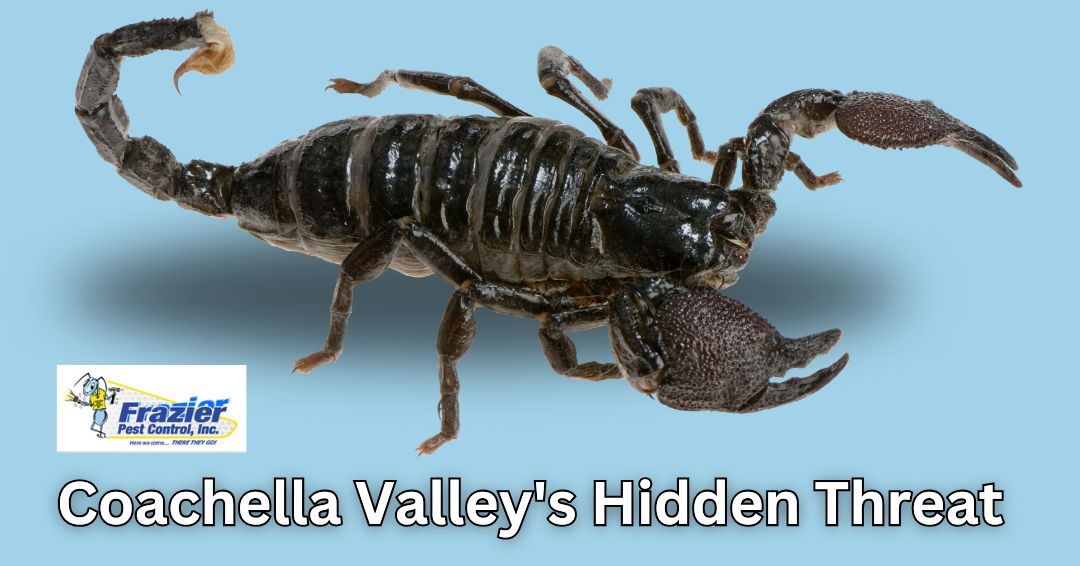
Scorpion infestations in Coachella Valley homes usually happen when three conditions come together: shelter, moisture, and prey. Scorpions hide during the day in cool, protected spaces, then become active at night to hunt insects such as crickets, roaches, spiders, and other small pests. Around homes, they are often found near garages, block walls, firewood, rock beds, pool equipment areas, utility gaps, irrigation zones, and cluttered storage spaces.
Seeing one scorpion indoors does not always mean a full infestation, but repeated sightings, indoor activity, shed skins, heavy insect activity, or scorpions near bedrooms, bathrooms, children, or pets should be taken seriously. Frazier Pest Control provides pest control services for Coachella Valley homes dealing with scorpions and other desert pests.
According to UC IPM scorpion guidance, scorpions are nocturnal predators that feed on insects, spiders, centipedes, and other arthropods.
Coachella Valley’s warm desert climate is perfect for breathtaking views and outdoor adventures, but it also provides an ideal environment for one of nature’s most elusive pests: scorpions. While scorpions are fascinating creatures, their presence in your home or yard can pose serious risks. In this article, we’ll uncover the hidden threat of scorpion infestations, explain why they thrive in the Coachella Valley, and offer solutions to protect your home and loved ones.
Stung by a scorpion? Wash the area with soap and water and apply a cold compress in 10-minute intervals. Limit activity. Call Poison Control: 1-800-222-1222 for guidance. Seek urgent care immediately for trouble breathing, uncontrolled pain, vomiting/drooling, muscle jerks, or any symptoms in children. Don’t cut/suck the sting or use tourniquets. Keep a specimen only if it’s safe.
Read more: Pest Control Landscaping Tips for Coachella Valley Yards
Why Scorpions Thrive in Coachella Valley
Scorpions are well-adapted to desert climates, making the Coachella Valley a prime habitat. Here are the main reasons they flourish:
- Climate: The valley’s hot, dry conditions mimic the scorpion’s natural environment, allowing them to thrive year-round.
- Shelter: Scorpions seek out cool, dark spaces to hide during the day. Common hiding spots include:
- Rock piles
- Woodpiles
- Cracks and crevices in homes
- Food Supply: Scorpions feed on other insects, such as crickets, spiders, and roaches, which are abundant in the area.
- Common Coachella Valley scorpions
- Arizona bark scorpion (Centruroides sculpturatus): the most medically significant sting in our region; agile climber that can enter homes.
- Giant desert hairy scorpion (Hadrurus arizonensis): large, intimidating; sting is usually mild.
- Stripe-tailed/“devil” scorpion (Paravaejovis spinigerus): frequent around block walls and rock beds.
Read more:How Much Does Pest Control Cost for Coachella Homeowners
Where Scorpions Hide During the Day
Scorpions usually hide during the day and become active at night. In desert homes, they look for dark, protected, cooler spaces where they can avoid heat and disturbance.
Common hiding places include:
- Garages
- Closets
- Bathrooms
- Kitchens
- Laundry rooms
- Crawl spaces
- Attics
- Pool equipment areas
- Firewood piles
- Palm trees
- Rocks and pavers
- Decorative bark or mulch
- Outdoor storage boxes
- Shoes, towels, gloves, and clothing left outside
- Cracks in block walls, stucco, or foundations
This is why homeowners should be careful when moving stored items, reaching into dark corners, or walking barefoot at night.
According to UC IPM scorpion guidance, scorpions may hide under rocks, logs, sleeping bags, woodpiles, palm trees, decorative bark, loose boards, and other surface objects during the day.
Signs of a Scorpion Infestation
Identifying a scorpion problem early can help you take action before it worsens. Look for these signs:
- Scorpion Sightings: Spotting a single scorpion, especially indoors, is often a sign of more nearby.
- Shedded Exoskeletons: Scorpions molt as they grow, leaving behind their outer shell.
- Increased Insect Activity: If your home has an abundance of scorpions’ prey, they’re likely to follow.
Read more: Does Ultrasonic Pest Control Work?
How Scorpions Get Inside Coachella Valley Homes
Scorpions can enter through surprisingly small openings. Bark scorpions are especially concerning because they can climb rough surfaces and enter homes through tiny cracks.
Common entry points include:
- Gaps under exterior doors
- Garage door edges
- Loose weatherstripping
- Sliding glass doors
- Utility penetrations
- Plumbing gaps
- Cable and electrical openings
- Foundation cracks
- Stucco gaps
- Vents and weep holes
- Gaps around pool equipment areas
- Openings near irrigation boxes
A scorpion problem is often an exclusion problem. If the entry points remain open, sightings may continue even after individual scorpions are removed.
According to UC IPM scorpion guidance, bark scorpions can enter homes through very small cracks and may be found around moisture, stacked lumber, firewood piles, cellars, and attics.
Why Scorpions Are More Active at Night
Scorpions are nocturnal. They avoid the heat of the day and come out at night to hunt. Around homes, they may be active near patios, garages, foundations, outdoor lights, irrigation areas, and places where insects gather.
Nighttime scorpion activity is more likely when:
- Outdoor lights attract insects
- Crickets or roaches are active
- Landscaping is dense
- Irrigation creates moisture
- Firewood or debris sits near the home
- Door sweeps or garage seals are loose
- Exterior cracks or utility gaps are open
Are Scorpions Dangerous?
Most scorpion stings are painful but not life-threatening for healthy adults. However, some people are at higher risk for serious symptoms, especially young children, older adults, and people with allergies or medical vulnerabilities.
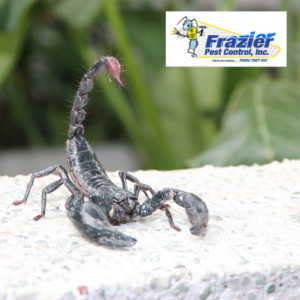
Common sting symptoms may include:
- Pain or burning at the sting site
- Tingling or numbness
- Swelling or redness
- Muscle twitching
- Sweating
- Nausea or vomiting
- Trouble breathing in severe cases
Seek urgent medical care for trouble breathing, severe symptoms, uncontrolled pain, vomiting, drooling, muscle jerking, or symptoms in a child.
According to Mayo Clinic scorpion sting symptoms guidance, scorpion stings are painful but rarely life-threatening for healthy adults, while young children and older adults are most at risk for serious complications.
CDC/NIOSH insects and scorpions guidance also notes that bites or stings from insects or scorpions can cause pain, and allergic reactions such as anaphylaxis require immediate emergency care.
What to Do If You Find a Scorpion Inside
If you see a scorpion indoors, stay calm and avoid touching it with your bare hands. Keep children and pets away from the area. If you can safely trap it under a container and slide stiff paper underneath, you may be able to remove it, but do not take risks if the scorpion is in a difficult location.
After one indoor sighting, inspect the surrounding area:
- Check shoes, towels, clothing, bedding, and closets
- Look near doors, baseboards, bathrooms, and garages
- Inspect under sinks and around moisture sources
- Check nearby cracks, vents, and utility gaps
- Look for insects that may be attracting scorpions
- Schedule a professional inspection if sightings continue
One scorpion indoors may be random. Repeated sightings usually mean there is an entry point, hiding area, or prey source that needs to be addressed.
Scorpion Prevention Checklist for Coachella Valley Homes
Use this checklist to reduce scorpion entry points, shelter, moisture, and prey around your home:
- Install tight door sweeps on exterior doors
- Repair loose weatherstripping around doors and windows
- Seal cracks around foundations, stucco, and block walls
- Screen vents and utility openings
- Seal gaps around plumbing, electrical, and cable lines
- Keep garage doors sealed at the bottom and sides
- Remove firewood, boards, bricks, rocks, and debris near the foundation
- Trim landscaping away from exterior walls
- Reduce excess irrigation near the home
- Fix leaky pipes, faucets, and irrigation lines
- Move storage boxes and clutter off the garage floor
- Shake out shoes, towels, gloves, and clothing stored outside
- Reduce crickets, roaches, and other insects that scorpions feed on
- Schedule pest control if scorpions continue appearing indoors
According to UC IPM scorpion guidance, prevention includes removing trash, logs, boards, stones, bricks, and other objects from around the foundation, pruning branches away from the house, installing weatherstripping, caulking cracks, and keeping screens tight.
When Scorpion Activity Needs Professional Pest Control
One scorpion sighting outside may not always mean an infestation. But repeated sightings indoors or near high-use areas should be taken seriously.
Call a pest control professional if:
- Scorpions appear indoors more than once
- You find scorpions in bedrooms, bathrooms, or closets
- Scorpions are near children or pets
- You see scorpions in garages or laundry rooms
- Activity continues after sealing obvious gaps
- You have heavy cricket, roach, or insect activity
- You live near open desert, rocky areas, or dense landscaping
- You find scorpions around pool equipment or irrigation zones
- Someone has been stung on the property
Professional scorpion control should focus on entry points, hiding areas, prey reduction, moisture management, and targeted treatment — not just spraying randomly.
Professional Scorpion Control Solutions
If you suspect or know of a scorpion infestation, professional help is the safest and most effective solution. At Frazier Pest Control, we specialize in comprehensive scorpion control services, including:
- Thorough property inspections
- Targeted treatments to eliminate scorpions and their food sources
- Ongoing prevention plans to keep your home safe year-round
Read more: Argentine Ants in the Coachella Valley: The Unstoppable Invasion
 FAQs About Scorpion Infestations
 FAQs About Scorpion Infestations
- Are scorpions active year-round in the Coachella Valley? Yes, scorpions can remain active year-round due to the warm climate, although they’re more active during the hotter months.
- How dangerous is a bark scorpion’s sting? The sting can be extremely painful and potentially dangerous, particularly for children, pets, and individuals with allergies. Seek medical attention immediately if stung.
- Can scorpions climb walls or ceilings? Yes, scorpions can climb walls and even ceilings, especially surfaces like stucco or brick.
- How quickly can a scorpion infestation grow? Scorpions reproduce slowly compared to other pests, but their longevity and reclusive behavior can make infestations persist if left unchecked.
Take Action Today!
Don’t let scorpions take over your home. Contact Frazier Pest Control for expert scorpion control services. Call us at (760) 328-6115 or visit frazierpestcontrol.com to schedule your free consultation. Let us help you reclaim your home and enjoy peace of mind in the beautiful Coachella Valley!
Recent Comments