
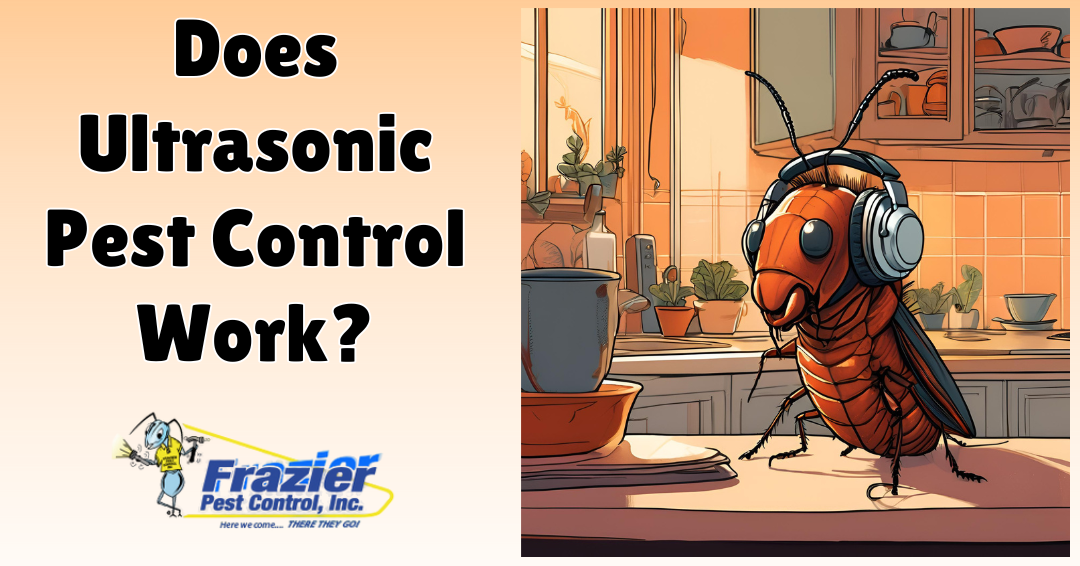
Ultrasonic pest control devices claim to repel rodents and insects using high-frequency sound waves that are inaudible to humans but disruptive to pests. These devices are marketed as a chemical-free, humane alternative to traditional pest control methods. But do they actually work?
This article explores the effectiveness of ultrasonic pest repellents by analyzing scientific studies, expert opinions, and real-world experiences from homeowners and business owners in Coachella Valley. Plug-in ultrasonic devices have not been shown to reliably control common household infestations. A University of Arizona Cooperative Extension review recommends against relying on commercially available residential sonic devices for common pest problems. If you continue seeing pests, identify the species and address its food, water, shelter, and entry points
How Do Ultrasonic Pest Repellents Work?
These devices emit high-frequency sound waves (typically above 20 kHz) that purportedly interfere with the auditory and nervous systems of pests. The idea is that the noise creates an uncomfortable environment, forcing pests to leave. Manufacturers claim that ultrasonic repellents work against:
- Rodents (mice, rats)
- Insects (cockroaches, mosquitoes, spiders, ants)
- Bats and other small animals
Do Ultrasonic Devices Work? Examining the Scientific Evidence
Despite the popularity of ultrasonic pest repellents, scientific research does not strongly support their effectiveness.
Studies on Rodents
A University of Arizona Cooperative Extension review describes a rat-and-mouse study in which the animals initially showed mild avoidance of the sound, but that response diminished over time, particularly when food was available. An initial reaction is therefore not evidence that a device will resolve an infestation.
Trapping, removing food sources, and closing access points address the conditions allowing rodents to remain. If you are finding droppings or hearing activity, see our guide to signs and removal of mice in Coachella Valley homes
Studies on Insects
- Cockroaches: In a Kansas State University laboratory study, the ultrasonic device tested did not repel German cockroaches. The study tested specific conditions; it does not prove that every device has an identical effect.
- Mosquitoes: A Cochrane review of 10 field studies found no reduction in mosquitoes landing on people when electronic repellents were used.
- Ants and Spiders: There is no conclusive evidence that ultrasonic waves repel these pests effectively.
Real-World Experiences: Home and Business Owners Weigh In
Many Coachella Valley residents who have used ultrasonic pest repellents report mixed results. While some notice a temporary decrease in pest activity, others see no improvement at all.
Common Complaints:
- Devices do not cover the entire home or business space.
- Pests seem unaffected after initial use.
- Ultrasonic waves cannot penetrate walls, limiting effectiveness.
Real-Life Example: John, a Palm Desert restaurant owner, installed ultrasonic repellents to deter rodents. He observed a temporary decrease in sightings but eventually had to hire professional pest control when the problem persisted.
Why Ultrasonic Pest Control Falls Short
- Pest Adaptation – Many pests, especially rodents, quickly acclimate to ultrasonic frequencies.
- Limited Range – Sound waves do not travel through walls or furniture, leaving gaps in coverage.
- Lack of Regulation – The FTC (Federal Trade Commission) has warned manufacturers about making unsubstantiated claims regarding ultrasonic pest repellents.
- Varied Results – Factors such as the size of an area, placement of the device, and the type of pest all affect performance.
 Pest Adaptation – Many pests, especially rodents, quickly acclimate to ultrasonic frequencies.
Effective Pest Control Alternatives
Instead of relying on ultrasonic pest control, homeowners and business owners in Coachella Valley should consider proven methods:
- Sealing Entry Points: Prevent pests from entering by sealing cracks, vents, and door gaps.
- Proper Sanitation: Remove food sources and clutter to make your property less appealing to pests.
- Professional Pest Control Services: Hiring a licensed pest control company like Frazier Pest Control ensures long-term, effective solutions tailored to your specific infestation.
- Traps and Baits: Strategic use of traps and baits can significantly reduce pest populations.
FAQs About Ultrasonic Pest Repellents
Do ultrasonic pest control devices work on all pests?
No, research indicates they have little to no impact on the most common household pests, including rodents, cockroaches, and mosquitoes. While some manufacturers claim their products work on a variety of pests, scientific studies have shown that the effects are inconsistent at best. Certain pests may react initially, but they quickly adapt to the noise and continue their usual activities. Additionally, ultrasonic waves have different effects depending on the pest species, the layout of your home, and environmental factors, making them an unreliable long-term solution.
Are ultrasonic repellents safe for pets?
Most devices are safe for cats and dogs because they are designed to emit frequencies above their hearing range. However, small pets like hamsters, guinea pigs, and rabbits may be affected since their hearing is more sensitive. If you have exotic pets, such as ferrets or pet rodents, it’s best to consult a veterinarian before using ultrasonic devices. Some pet owners have reported signs of stress or agitation in their animals when these devices are in use, so always monitor your pets’ behavior and discontinue use if any adverse reactions occur.
Can ultrasonic waves penetrate walls?
No, the waves are blocked by solid objects, limiting their effectiveness to open spaces. This means that ultrasonic devices only affect the room in which they are placed, leaving gaps in coverage. Since pests often hide in walls, behind furniture, and in crawl spaces, they can easily find areas where the sound waves do not reach. For this reason, using a single ultrasonic device in a large home or business is unlikely to provide comprehensive pest control, and multiple units may still leave blind spots where pests can thrive.
What is the best alternative to ultrasonic pest control?
The best alternative is an integrated pest management approach, which includes sealing entry points, maintaining proper sanitation, using traps and baits, and hiring a professional exterminator. Integrated pest management (IPM) focuses on long-term solutions that address the root cause of infestations rather than relying on temporary fixes. By removing attractants, blocking entry points, and implementing targeted treatment plans, homeowners and businesses can achieve effective and lasting pest control without relying on unproven gadgets.
Final Verdict: Should You Use Ultrasonic Pest Repellents?
While ultrasonic pest repellents may seem like an easy, chemical-free solution, scientific evidence and real-world experiences suggest they are not a reliable method for pest control. Instead, homeowners and business owners should invest in proven, expert-backed pest management strategies to effectively eliminate pests.
Get Expert Pest Control Help in Coachella Valley
If you’re dealing with a pest problem, don’t waste time on ineffective gadgets. Contact Frazier Pest Control today for expert, long-lasting solutions. Our licensed professionals use industry-leading techniques to keep your home or business pest-free.
📞 Call us now or visit our website to schedule a consultation! (760) 328-6115
Recent Comments