

Welcome back to the Frazier Pest Control blog! If you’re a homeowner in the Coachella Valley, you already know that desert living comes with unique challenges—one of them being rodents seeking shelter in your home. Mice may seem small and harmless, but don’t let their size fool you. They can cause significant damage, spread disease, and multiply rapidly if not dealt with quickly.
How Do Mice Get into Your Home?
Mice can enter through openings as small as ¼ inch—about the width of a pencil. The CDC’s guide to sealing rodent entry points shows where to check around doors, vents, foundations, and utility lines. They often enter homes in search of food, water, and warmth. Common entry points include:
- Gaps around doors and windows
- Holes in walls or baseboards
- Attic vents and crawl spaces
- Openings where pipes and wires enter your home
Once inside, they make themselves comfortable—often within your walls—where they can go undetected for long periods.
Signs You Have Mice in Your Walls
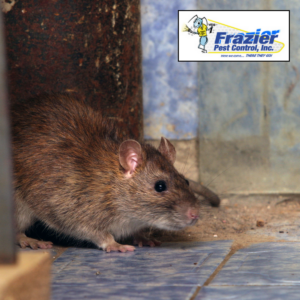 They are nocturnal and excellent at staying out of sight, but they leave behind clues. Watch for these warning signs:
- Scratching sounds at night – Mice are active when the house is quiet, often scurrying within walls or ceilings.
- Droppings – Tiny, dark pellets, often found in cupboards, along baseboards, or near food sources.
- Gnawed wires or furniture – Mice chew constantly to keep their teeth from growing too long.
- Unusual pet behavior – Dogs and cats may paw at walls or act excitedly in areas where mice are hiding.
- Foul odor – A musky smell may indicate a hidden nest or a deceased rodent.
Scratching sounds alone cannot identify the animal. If you also find droppings, gnaw marks, or nesting material, compare these additional signs of a rodent infestation in Coachella Valley homes
The Dangers of an Infestation
Beyond being a nuisance, mice pose serious health and safety risks, including:
- Contaminating food and surfaces with bacteria from their droppings and urine.
- Disease exposure – Rodent urine, droppings, and saliva can contaminate food and surfaces. The CDC explains how diseases spread from wild rodents.
- Causing fire hazards by chewing on electrical wires.
- Attracting other pests like fleas and ticks into your home.
What if you find mouse droppings?
Do not sweep or vacuum droppings while they are dry. Wear rubber or plastic gloves, wet the droppings thoroughly with an appropriate disinfectant, and clean them up according to the product directions. Follow the CDC’s rodent cleanup instructions for droppings, nests, or dead rodents. If contamination is extensive or inside an area you cannot safely access, ask a qualified professional for help
How to Get Mice Out of Your Walls
If you suspect mice have taken up residence inside your walls, it’s important to act fast. Here’s what you can do:
- Set traps strategically – Use mouse-sized snap traps in accessible areas with evidence of activity, often along walls or behind objects. Follow the CDC’s trapping guidance, and keep traps out of reach of children and pets.
- Seal entry points – Check exterior gaps around doors, vents, pipes, and utility lines. Small openings can be filled with steel wool secured with caulk; larger holes may need metal screening, hardware cloth, or another durable material. See the CDC’s sealing instructions.
- Remove food sources – Store food in airtight containers and keep your home clean.
- Use natural deterrents – Peppermint oil, cloves, or ammonia can make your home less appealing to rodents.
- Call the professionals – DIY methods can only do so much. A professional pest control service ensures complete removal and prevention.
FAQs About Mice in Homes
 Q: How quickly do mice reproduce?
A: A single pair can produce up to 60 offspring in one year! That’s why it’s crucial to address an infestation quickly.
Q: Can mice survive in the desert climate of Coachella Valley?
A: Absolutely. They are incredibly adaptable and will find ways to thrive by seeking shelter in homes, garages, and storage sheds.
Q: What if I hear mice but never see them?
A: Mice are good at staying hidden. If you hear scratching or scurrying at night, it’s a strong sign they’re in your walls.
Call Frazier Pest Control for Fast, Effective Rodent Removal
If you suspect mice are lurking in your walls, don’t wait until the problem gets out of hand. At Frazier Pest Control, we specialize in safe, thorough rodent removal for homes across the Coachella Valley.
Give us a call today or visit our website to schedule an inspection. Let’s evict those unwanted guests—once and for all! (760) 328-6115
Recent Comments