

Brown widow spiders are usually not more dangerous than black widow spiders. Their venom can be potent, but brown widow bites are generally milder because brown widows are smaller, tend to inject less venom, and often avoid biting when disturbed. Black widow spiders remain the greater medical concern because their bites are more likely to cause severe pain, muscle cramps, sweating, nausea, and other systemic symptoms. According to UC IPM widow spider guidance, brown widow venom may be at least as potent as black widow venom drop-for-drop, but brown widows are smaller and likely inject much less venom, making their bites generally milder.
For Coachella Valley homeowners, the practical answer is simple: treat both brown widows and black widows with caution. Do not handle them, do not disturb webs or egg sacs barehanded, and schedule pest control if widow spiders are appearing near garages, patios, sheds, storage areas, pool equipment, outdoor furniture, or spaces used by children and pets.
It’s late at night, and you’re heading into your garage. The dim light casts eerie shadows as you reach for the box in the corner. Suddenly, you freeze. There, in the corner of your eye, is a spider with a distinctive hourglass marking. Your heart races—have you just come face-to-face with a deadly black widow? Or is it a brown widow? The fear of encountering one of these venomous creatures is enough to make anyone’s skin crawl. But which one should truly terrify you? As the tension rises, let’s unravel the mystery of these two venomous spiders and find out which one poses the greater threat to your home.
Read more: What Should I Do If I Find a Black Widow Spider?
Understanding Black Widow Spiders
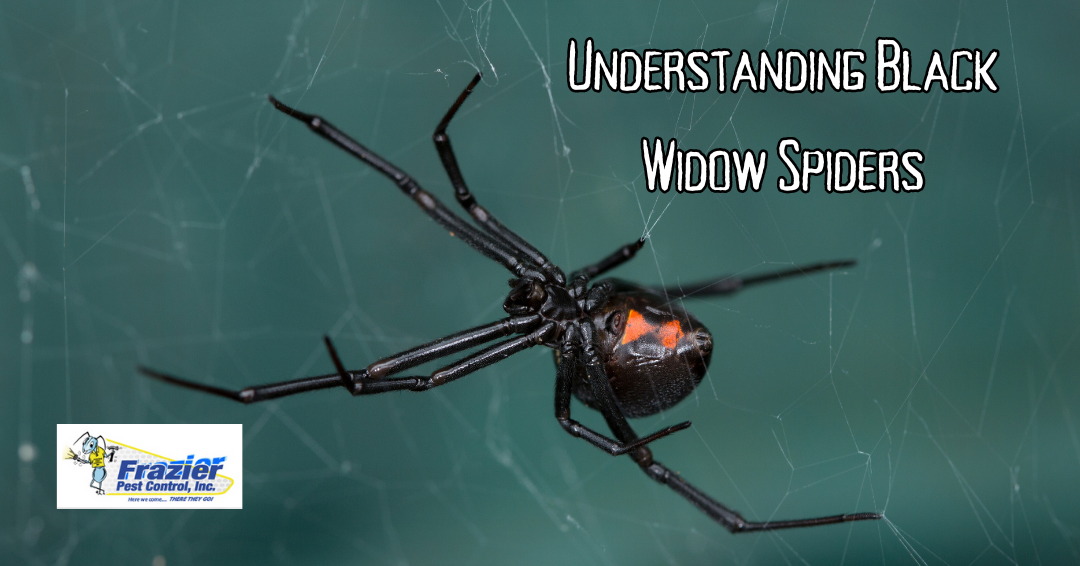
Black widows should be treated carefully because the adult female is the main medical concern. They often build irregular webs in protected, quiet spaces such as garages, sheds, storage areas, outdoor furniture, block walls, clutter, crawl spaces, and utility areas. According to UC IPM widow spider guidance, black widow bites are rare even where these spiders are common, but almost all medically important black widow bites come from adult female black widows.
Black widow activity is more concerning when you find:
- A shiny black spider with a red hourglass marking
- Irregular webs in dark, protected areas
- Egg sacs
- Repeated spider sightings
- Spiders near children’s toys, patio furniture, shoes, gloves, or storage boxes
- A suspected bite with pain, muscle cramping, sweating, nausea, or trouble breathing
Read more: Expert Pest Management for Coachella Valley
What About Brown Widow Spiders?
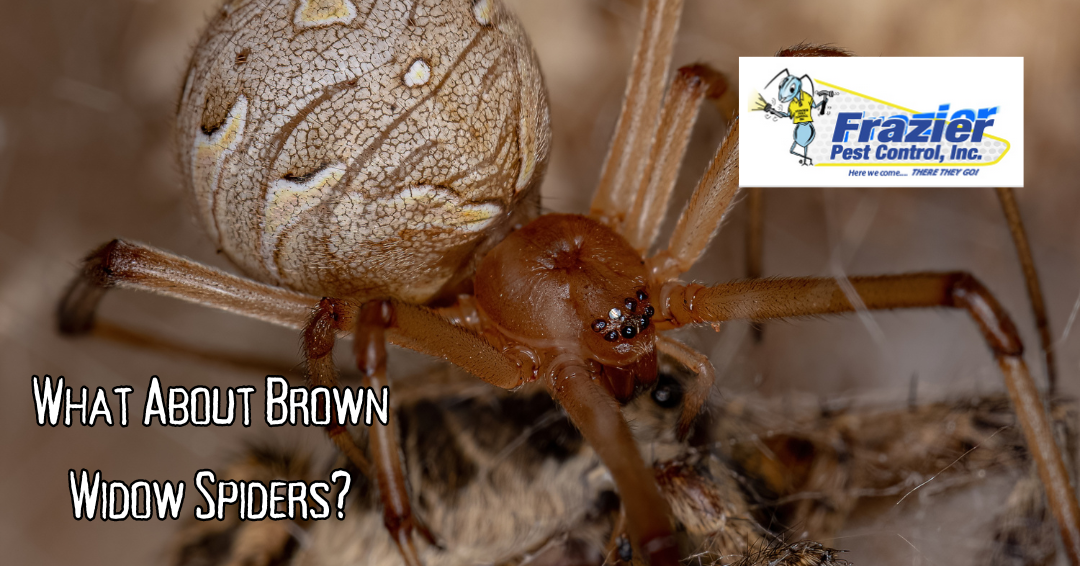
Brown widows are usually tan to brown with mottled markings and an orange or yellow-orange hourglass. However, identification can be difficult because immature western black widows can also look tan with white markings. Some brown widows may even appear very dark. According to UC Riverside brown widow identification guidance, the brown widow’s egg sac is one of the easiest ways to tell it apart from a western black widow because brown widow egg sacs are round and spiky.
Brown widows often build webs in protected but more exposed locations around homes, such as:
- Under patio furniture
- Under outdoor railings
- Around garbage cans
- Entryway corners
- Mailboxes
- Empty pots or containers
- Garages and storage closets
- Undersides of outdoor furniture
Read more: Pest Control in Coachella Valley: Why Professional Services Matter for Your Property’s Safety
Comparing Venom Potency: Brown Widow vs. Black Widow
The better question is not only “which venom is stronger?” The better question is: which spider is more likely to cause a medically significant bite? Brown widow venom may be potent in laboratory comparisons, but real-world bite risk depends on several factors: spider size, how much venom is injected, how defensive the spider is, where the bite happens, and the health of the person bitten. According to UC IPM widow spider guidance, brown widow venom may be at least as potent as black widow venom drop-for-drop, but brown widows are smaller and likely inject much less venom, making their bites generally milder.
Black widow bites are more likely to cause severe symptoms. Brown widow bites are usually milder, often causing local pain or redness, though more serious reactions are still possible.
The practical takeaway:
- Black widows are the higher medical concern.
- Brown widows can still bite and should not be handled.
- Egg sacs and repeated sightings should be taken seriously.
- Seek medical guidance for worsening symptoms after any suspected widow spider bite.
Read more: Bark Scorpion in Coachella Valley: What You Need to Know to Stay Safe
Brown Widow vs. Black Widow: Quick Comparison
| Feature | Brown Widow Spider | Black Widow Spider |
| Typical color | Tan, brown, mottled, sometimes darker | Shiny black adult female |
| Hourglass | Usually orange or yellow-orange | Usually red |
| Egg sac | Round and spiky | Smoother, yellowish, round/teardrop-shaped |
| Web location | Protected areas, often around outdoor furniture, containers, railings, and garages | Dark, protected, quieter spaces such as garages, sheds, clutter, and crawl spaces |
| Bite risk | Usually milder, but still possible | Higher medical concern |
| Behavior when disturbed | Often drops and plays dead | Can bite if trapped, pressed, or disturbed |
| What to do | Avoid handling; inspect for egg sacs | Avoid handling; seek medical care if bitten and symptoms appear |
How to Identify Brown Widow Egg Sacs
Egg sacs are often easier to identify than the spider itself. Brown widow egg sacs are usually pale yellow, round, and covered with small silk spikes. They can look like tiny spiky balls or pollen grains. Black widow egg sacs are usually smoother. According to UC Riverside brown widow egg sac guidance, brown widow egg sacs have multiple silk spikes projecting from the surface and are distinctive enough to be readily recognized.
Look for egg sacs in:
- Patio furniture
- Garages
- Storage areas
- Mailboxes
- Empty pots and containers
- Garbage can handles
- Outdoor railings
- Entryway corners
- Undersides of outdoor furniture
Do not remove widow spider egg sacs barehanded. Wear gloves, avoid disturbing the web, and schedule pest control if you find repeated egg sacs or spiders in high-use areas.
What to Do If You Find a Brown Widow or Black Widow
If you find a widow spider, do not touch it or try to identify it by hand. Keep children and pets away from the area and inspect carefully before moving items nearby. For detailed safety steps, read the black widow spider safety guide.
- Keep distance. Do not pick up the spider, web, or egg sac.
- Take a photo from a safe distance. A clear photo may help with identification.
- Check nearby hiding places. Look around patio furniture, garages, sheds, storage boxes, shoes, gloves, outdoor toys, pool equipment, and garbage cans.
- Avoid barehanded removal. Widow spiders can hide inside clutter, handles, folds, and corners.
- Watch for repeated activity. One spider may be isolated, but repeated sightings or egg sacs suggest the area needs attention.
- Schedule pest control if spiders are near high-use areas. This is especially important near children, pets, outdoor seating, garages, sheds, bedrooms, and storage spaces.
What If You Were Bitten by a Widow Spider?
If you think you were bitten by a brown widow or black widow, treat it as a medical concern. Brown widow bites are usually milder, but any bite with spreading pain, muscle cramping, sweating, nausea, difficulty breathing, or symptoms in a child, older adult, pregnant person, or medically vulnerable person should be evaluated by a medical professional. For more symptom guidance, read the page on black widow spider bite symptoms.
Basic first-aid steps include:
- Stay calm.
- Wash the bite area with soap and water.
- Apply a cold cloth or ice wrapped in fabric.
- Elevate the bite area if possible.
- Do not cut the skin or try to remove venom.
- Contact Poison Control or a medical professional for guidance.
- Seek urgent care if symptoms become severe or spread.
According to CDC/NIOSH spider bite first-aid guidance, spider bite first aid includes staying calm, washing the bite area with soap and water, applying a cold cloth or ice, elevating the bite area if possible, avoiding attempts to remove venom, and seeking professional medical attention.
The Threat Level: Should You Be Concerned?
Though black widow spiders pose a greater risk due to their more potent venom, both types of spiders should be treated with caution. Bites from either species can be uncomfortable and should not be ignored. If you suspect you’ve been bitten by a black widow or brown widow spider, it’s important to seek medical advice, especially if symptoms worsen.
Read more: Pest Control in Coachella Valley: Why Professional Services Matter for Your Property’s Safety
How to Protect Your Home from Widow Spiders
Widow spider prevention should focus on reducing webs, egg sacs, hiding places, and insect activity around the home.
Use this checklist:
- Wear gloves when moving boxes, firewood, pots, outdoor cushions, or storage items.
- Shake out shoes, gloves, towels, and outdoor clothing before use.
- Reduce clutter in garages, sheds, patios, and storage areas.
- Store items in sealed plastic bins instead of cardboard boxes.
- Move firewood and debris away from exterior walls.
- Sweep webs from corners, patio furniture, fences, and garage edges.
- Inspect undersides of outdoor furniture and railings.
- Seal gaps around doors, windows, utility lines, and garage edges.
- Reduce insects that attract spiders.
- Schedule pest control if webs, egg sacs, or widow spiders keep appearing.
According to CDC/NIOSH spider prevention guidance, prevention steps include shaking out shoes, clothing, towels, and equipment, wearing gloves when handling stacked materials, reducing debris, and storing outdoor equipment in tightly closed plastic bags.
Read more: Mice in Coachella Valley Homes: Signs, Risks, and Removal
Why Widow Spiders Matter for Coachella Valley Homes
Coachella Valley homes have many spaces where widow spiders can hide: garages, patios, sheds, pool equipment areas, block walls, storage boxes, mailboxes, trash cans, outdoor furniture, and landscaped edges. Warm weather, insect activity, outdoor living spaces, and cluttered storage areas can all increase spider encounters.
Widow spider problems are more likely when:
- Outdoor furniture is rarely moved
- Garage clutter builds up
- Webs are left in corners or under furniture
- Mailboxes, pool equipment, or storage areas are undisturbed
- Trash cans and outdoor containers provide hiding spaces
- Insects are active around lights, patios, or landscaping
- This is why prevention should include both spider removal and reducing the conditions that make the area attractive.
Conclusion
If you’re concerned about black widow or brown widow spiders in your home, Frazier Pest Control can help. Our expert team provides comprehensive spider control services to ensure your home remains safe and spider-free. Don’t take chances with these venomous spiders—contact Frazier Pest Control today to schedule an inspection and protect your family from unwanted pests. Visit our website at Frazier Pest Control or call us now to get started (760) 328-6115.
Frequently Asked Questions
Q: How can I tell the difference between a black widow and a brown widow spider?
A: Black widows are shiny black with a red hourglass marking on their abdomen, while brown widows are lighter brown with an orange or yellowish hourglass marking.
Q: Are brown widow spiders less dangerous than black widows?
A: Yes, brown widow spiders have less potent venom compared to black widows, making their bites generally less severe.
Q: What should I do if I get bitten by a widow spider?
A: If you suspect a bite from either a black widow or brown widow spider, seek medical attention, especially if symptoms worsen or if you experience severe pain.
Q: How can I prevent widow spiders from entering my home?
A: Keep your home clean and clutter-free, especially in areas like basements and garages. Regular pest control services can also help prevent infestations.
For expert pest control services in California, contact Frazier Pest Control today!
Recent Comments