
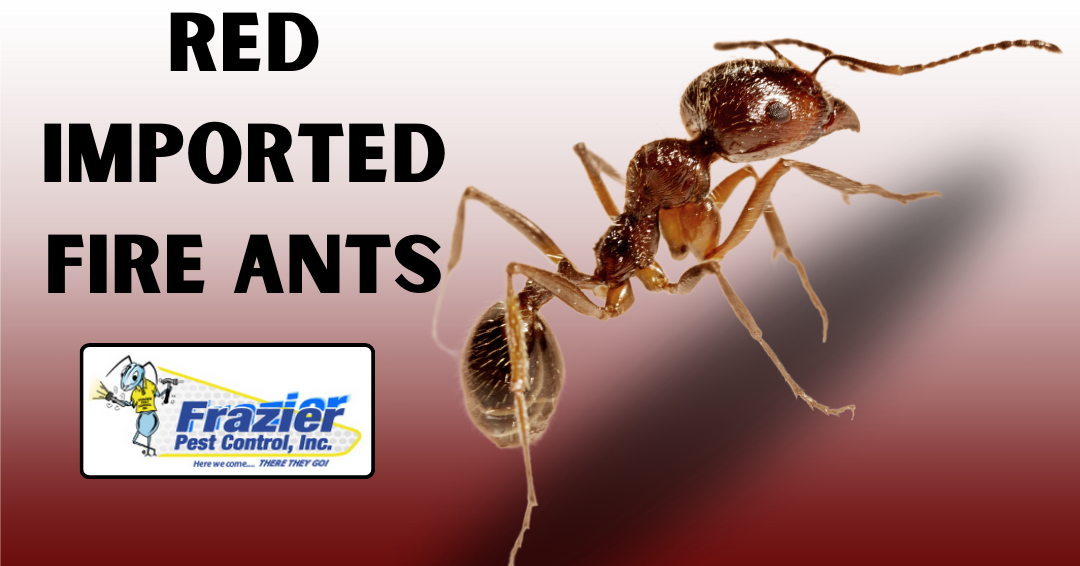
Red imported fire ants (RIFAs) are present in the Coachella Valley. Although the desert is naturally dry, irrigated lawns and landscaped areas can provide conditions that support them, according to the Coachella Valley Mosquito and Vector Control District. Their aggressive nature and painful stings make them a serious concern for homeowners and outdoor enthusiasts alike. Understanding how to recognize their nests and taking steps to avoid encounters can help prevent painful stings and potential health risks.
Identifying Red Imported Fire Ant Nests
One of the first steps in protecting yourself from fire ants is recognizing their nests. Fire ant nests may produce a mound of loose soil, but the mound’s shape alone cannot confirm the species. Here are key features to look for:
- Location: Look for activity in irrigated lawns and landscaped areas, including near sprinklers, sidewalks, and garden beds.
- Structure: In California, mounds can appear as low, circular rises of loose soil rather than tall domes. See UC IPM’s fire ant identification guide for the characteristics to check.
- Disturbance Reaction: Fire ants may rush out and sting when their nest is disturbed. Do not step on or poke a mound to test which ants are inside.
Other red ants can look similar. Red imported fire ant workers vary in size, while California harvester ant workers are more uniform. Compare our Coachella Valley harvester ant guide if you are unsure which ant you have found
Health Risks of Fire Ant Stings
 Fire ants bite to hold onto the skin and can then sting repeatedly. Their venom can cause burning pain and pustules; some people also experience a serious allergic reaction. Reactions may include:
- Localized Pain and Swelling: The sting typically results in red, swollen welts that may develop into white pustules.
- Allergic Reactions: Widespread hives, throat swelling, difficulty breathing, dizziness, or faintness may indicate a serious reaction. The American College of Allergy, Asthma & Immunology’s fire ant sting guidance explains when emergency care is needed.
- Risk of Secondary Infection: Scratching the sting site can lead to infections, making proper wound care essential.
Prevention Tips for Staying Safe
Preventing encounters with fire ants involves a combination of personal precautions and yard treatments. Here are effective steps you can take:
- Wear Protective Clothing: When working or spending time in areas known to be infested, wear long pants, closed-toe shoes, and gloves to reduce skin exposure.
- Use an Appropriate Fire Ant Bait: If the species has been confirmed and you plan to treat it yourself, choose a product labeled for fire ants and follow its directions. UC IPM recommends fire ant baits; spraying visible workers alone will not control the colony.
- Seek Professional Advice: If ants remain active or you are unsure of the species, contact Frazier Pest Control for an assessment and treatment options tailored to your property.
When to Call a Professional
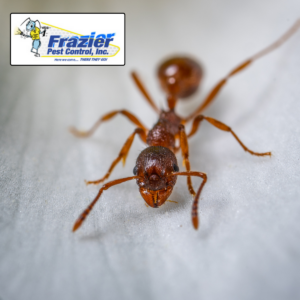 If you suspect red imported fire ants, avoid disturbing the nest and confirm the species before choosing a treatment. Frazier Pest Control can assess the activity and discuss targeted options through its bug removal service. Coachella Valley residents can also request a red imported fire ant inspection or treatment from the local vector control district, or call (760) 342-8287 and press 1. The district treats red imported fire ants specifically and directs residents with other ant species to a pest control provider
Frequently Asked Questions (FAQ)
Q: What should I do if I get stung by a fire ant?
A: Wash the area with soap and wat er, apply an antiseptic, and use a cold compress to reduce swelling. Over-the-counter antihistamines or hydrocortisone cream can help alleviate itching. If you experience any signs of an allergic reaction, seek medical attention immediately.
Q: How do I know if I’m allergic to fire ant stings?
A: Signs of an allergic reaction include widespread hives, difficulty breathing, swelling of the face or throat, dizziness, or a rapid pulse. If you’ve had severe reactions to insect stings in the past, consult with a healthcare professional.
Q: Can I treat fire ant mounds myself?
A: While some over-the-counter treatments can help, fire ant colonies are resilient and often require professional-grade solutions to fully eliminate. DIY treatments may scatter the colony, making the problem worse.
Q: How often should I schedule pest control treatments for fire ants?
A: It depends on the severity of the infestation and your location. In areas prone to fire ants, quarterly or biannual treatments are recommended to keep the problem under control.
Q: Are fire ant stings dangerous to pets?
A: Yes, pets can experience pain, swelling, and allergic reactions from fire ant stings. Keep pets away from known infested areas and contact a veterinarian if your pet shows signs of a severe reaction.
For more information or to schedule a consultation, contact Frazier Pest Control today and take the first step toward a fire-ant-free yard. (760) 328-6115
Recent Comments