

Seeing one cockroach does not always prove that you have an infestation. A large outdoor species may have entered through a door, drain, garage or utility gap. However, one small indoor cockroach, a nymph, repeated sightings or accompanying droppings and egg cases may mean more are hiding nearby.
 Do not assume the sighting was harmless or automatically conclude that the house is heavily infested. Note the cockroach’s size, location and time of appearance, take a photo if possible, inspect the surrounding area and place sticky monitors along nearby wall edges.
The species and additional evidence matter more than the number “one.” German and brownbanded cockroaches commonly breed indoors, while American, Oriental, Turkestan and field cockroaches may enter from outdoor areas.
One Cockroach vs. Signs That More May Be Hiding
| What you find | What it may mean | Recommended next step |
|---|---|---|
| One large adult near a garage, exterior door or drain | Possible outdoor invader | Inspect entry points and monitor |
| One small cockroach in a kitchen or bathroom | Possible indoor species | Inspect nearby appliances and cabinets |
| A cockroach nymph | Breeding may be occurring nearby | Place monitors and inspect protected gaps |
| An egg case | Reproduction has occurred or may be occurring | Avoid disturbing it and inspect the surrounding area |
| Droppings or dark smears | Repeated activity is more likely | Monitor the affected area and clean carefully |
| Persistent musty or oily odor | Hidden activity may be established | Locate the affected area and consider an inspection |
| Repeated sightings or several affected rooms | A broader problem is more likely | Request professional identification |
Cockroaches Are Built to Stay Hidden
Cockroaches prefer dark, protected spaces where they can remain undisturbed. Inside homes, these areas often include:
Behind refrigerators and ovens
Under sinks and inside cabinets
Inside wall voids
Around water heaters
Behind dishwashers and washing machines
Because these areas are rarely disturbed, cockroaches may remain hidden for long periods. However, finding one cockroach does not establish whether it is breeding indoors; the species and additional signs must also be considered.
According to UC IPM’s cockroach guidance, cockroaches hide in dark, warm areas, especially narrow cracks where surfaces touch their bodies on both sides. They also tend to move along wall edges and other surfaces while foraging. Place sticky monitors along wall edges, beneath appliances, inside cabinets and near the area where the cockroach was seen. Check the monitors daily at first to determine whether the sighting was isolated or activity is continuing. The time of the sighting can provide additional context. Learn why cockroaches come out at night and what daytime activity may mean
Cockroaches Reproduce Quickly
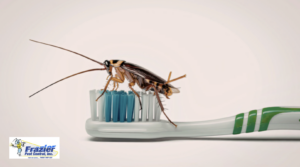
One reason a single sighting deserves investigation is that an indoor-breeding cockroach may be part of a hidden population.
Female cockroaches produce egg cases called oothecae, but the number of eggs, where the case is placed and how quickly the cockroaches develop vary by species. German cockroaches, for example, carry their egg cases until shortly before the eggs hatch, while other species deposit egg cases in protected locations earlier.
Finding an egg case, multiple nymphs or different cockroach life stages creates stronger evidence of nearby reproduction than seeing one adult alone. UC IPM recommends identifying the species because reproduction, preferred hiding areas and treatment methods differ.
Does the Time of the Cockroach Sighting Matter?
Most pest cockroaches are nocturnal, so one seen after dark may simply be foraging normally. A nighttime sighting alone cannot tell you how many cockroaches are present.
A daytime sighting deserves closer inspection, but it does not automatically prove overcrowding or a severe infestation. The cockroach may have been disturbed, searching for food or water or entering from an outdoor hiding place.
Use the species, size, location, repeated activity and other evidence to interpret the sighting. For a detailed explanation, read why cockroaches come out at night and what daytime sightings may mean.
Why Homes in the Coachella Valley Are Attractive to Cockroaches
Warm climates create ideal conditions for cockroaches to survive year-round. In Coachella Valley homes, common attractants include:
- Indoor moisture from plumbing or AC condensation
- Irrigation systems near foundations
- Small structural gaps that allow entry
- Warm indoor environments
- Water-meter boxes, drains and utility areas
- Gaps beneath exterior and garage doors
- Leaf litter, potted plants and vegetation near the structure
- Cardboard boxes, deliveries and stored items
- Pet food or water accessible outdoors
Cockroaches may enter through gaps around plumbing, damaged drain connections, exterior doors and utility penetrations. Review these hidden cockroach entry points around Coachella Valley home.
Species identification is especially important in Southern California. UC IPM distinguishes between German and brownbanded cockroaches that live and breed indoors and outdoor species such as American, Oriental, Turkestan and field cockroaches that can temporarily enter buildings.
Could One Cockroach Be an Outdoor Invader?
Yes. A single cockroach can enter from outside, especially when it is a larger species found near a garage, exterior door, drain, water-meter box or ground-floor utility area.
Outdoor cockroaches may move indoors while looking for food, water or shelter or when outdoor conditions become hot, dry or disturbed. One large adult in these locations does not prove that cockroaches are breeding throughout the home.
Indoor breeding becomes more likely when you find:
- Small cockroaches or nymphs
- Repeated activity in kitchens or bathrooms
- Several cockroaches of different sizes
- Egg cases
- Droppings concentrated in protected areas
- Repeated monitor captures
A photo and the location of the sighting can help a pest-control professional determine whether the cockroach is an indoor species or a temporary invader.
Signs There May Be More Cockroaches
If you have seen one cockroach, look for a combination of these additional indicators:
- Droppings or dark smears inside cabinets, drawers, appliance areas or along wall edges
- A persistent musty or oily odor in enclosed areas
- Egg cases inside protected cracks, cabinets or storage areas
- Nymphs or cockroaches of different sizes
- Repeated activity near sinks, appliances, pet-food areas or trash
- Cockroaches caught on sticky monitors
- Activity in more than one room
- Dead cockroaches or shed body parts in hidden locations
One sign alone may not confirm an infestation, but several signs in the same area make established activity more likely. Nymphs, egg cases and repeated monitor captures provide stronger evidence than one adult sighting. If odor is one of the warning signs, read what the smell of cockroaches may mean and how to remove it.
What Should You Do After Seeing One Cockroach?
Do not ignore the sighting, but do not immediately assume the house has a severe infestation.
- Record the location and time.
Note whether it was in a kitchen, bathroom, garage, drain, bedroom or near an exterior entrance. - Take a photo if possible.
A clear photo may help with species identification. - Inspect the surrounding area.
Look beneath sinks, behind appliances, inside cabinet corners, around plumbing penetrations and along wall edges. - Remove accessible food and water.
Clean crumbs and grease, seal food, dry sink areas and correct plumbing or condensation leaks. - Place sticky monitors.
Position monitors along wall edges, inside cabinets, beneath appliances and near the original sighting. Keep them away from children and pets. - Avoid foggers and random spraying.
These methods may disperse cockroaches without resolving hidden activity. - Check for nymphs, egg cases and droppings.
These provide stronger evidence of indoor breeding. - Request identification if activity continues.
Professional help may be appropriate when cockroaches reappear, several rooms are affected or breeding evidence is present.
Cleaning alone may not address entry points or established hiding areas. Review the cleaning mistakes that can attract cockroaches and seal relevant exterior and plumbing gaps.
According to UC IPM, monitoring, sanitation and exclusion are central to cockroach management, and pesticides alone will not solve every problem.
Frequently Asked Questions
1. Does seeing one cockroach mean I have an infestation?
Not always, but it’s very possible. Cockroaches are highly skilled at hiding in dark areas such as wall voids, cabinets, and behind appliances. When one becomes visible, it may indicate that others are already nearby. Because they reproduce quickly, even a small hidden population can grow into a larger infestation if not addressed early.
2. Why do cockroaches suddenly appear in my home?
Cockroaches typically enter homes searching for food, water, and shelter. In areas like the Coachella Valley, warm temperatures allow cockroaches to stay active year-round. Moisture from plumbing, AC condensation, or irrigation can attract them indoors, especially if there are small gaps around doors, pipes, or foundations.
3. Where do cockroaches hide during the day?
Cockroaches prefer dark, tight spaces where they can stay undisturbed. Common hiding places include behind refrigerators, under sinks, inside cabinets, around water heaters, and inside wall cavities. These areas provide warmth, moisture, and protection from light.
4. What are the early signs of a cockroach infestation?
Some of the most common early signs include:
• Small dark droppings resembling coffee grounds or pepper
• Musty or oily odors in cabinets or pantries
• Egg casings (called oothecae) in hidden areas
• Increased activity at night
• Roaches appearing near sinks or appliances
Recognizing these signs early can help prevent a larger infestation.
5. Are cockroaches dangerous to health?
Cockroaches can carry bacteria and allergens that may contaminate food and surfaces. According to the CDC, cockroach allergens can also trigger asthma and allergic reactions, particularly in children. This is why addressing infestations early is important for maintaining a healthy home environment.
6. What should I do if I see a cockroach in my house?
If you see a cockroach, inspect nearby areas for additional signs such as droppings or egg casings. Clean food sources, seal small entry gaps, and monitor for further activity. If sightings continue, a professional pest inspection can help identify hidden nesting areas and prevent the population from growing.
Why Ignoring One Roach Is Risky
Many infestations begin with a single sighting that homeowners dismiss. Because cockroaches hide so effectively, populations can grow quietly before the problem becomes obvious.
Early action is the best way to prevent a small issue from becoming widespread.
If you’ve seen even one cockroach in your home, it’s worth investigating further.
Cockroach infestations rarely resolve on their own — and the longer they remain hidden, the harder they are to eliminate.
Frazier Pest Control specializes in identifying hidden cockroach activity, locating entry points, and eliminating infestations before they spread.
👉 Schedule an inspection today:
https://frazierpestcontrol.com/
📞 Call (760) 328-6115
Protect your home before a small warning sign becomes a larger problem.
Recent Comments