
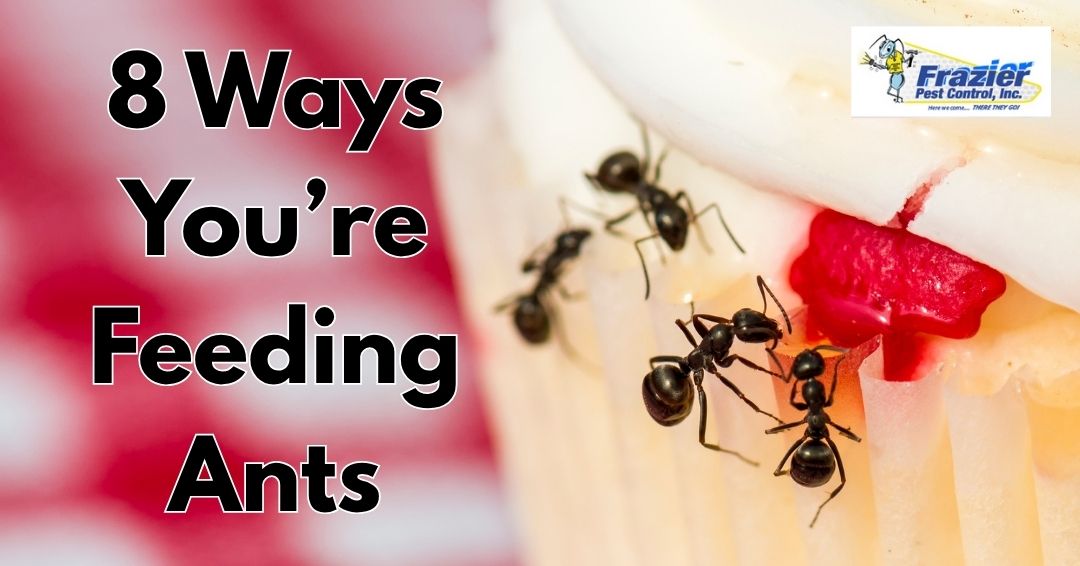
When most Coachella Valley homeowners think of ant problems, they imagine crumbs on the floor or food left out overnight. But what if you’re doing everything right—and still have ants? The truth is, you might be feeding ants without even realizing it.
At Frazier Pest Control, we’ve helped hundreds of homeowners throughout Palm Springs, Palm Desert, La Quinta, and surrounding areas tackle ant infestations that seemed to come out of nowhere. And in many of those cases, the root cause was a set of everyday habits that unintentionally support the ants’ survival.
Let’s break down the 8 most common ways homeowners accidentally feed ants—and what you can do to stop it.
1. Pet Food Left Out
 Leaving pet food in bowls all day (or overnight) is one of the biggest ant attractants we see in homes from Indio to Cathedral City. Ants are quick to find these easy meals, especially when dry kibble sits in corners or near exterior walls.
What to do: What to do: Offer food at regular times and pick up uneaten food when your pet finishes. Wipe crumbs from the feeding area and store extra pet food in a clean, sealed container. Keep fresh drinking water available for your pet.
2. Drippy Trash Bins and Recycling
Even if your trash is bagged, a leaky liner or sticky bin interior can provide a food source for ants. The same goes for unwashed cans and bottles in your recycling.
What to do: Rinse out food containers before tossing them and wipe down the inside of your trash and recycling bins regularly—especially during the summer months when ants are most active in Coachella Valley.
3. Overripe Fruit on Counters
That beautiful bowl of fruit might be feeding more than just your family. Ants are drawn to sugary scents, and ripe or rotting produce is irresistible to them.
What to do: Store fruit in the fridge if possible, and inspect your produce daily for signs of over-ripening. Discard anything too soft or leaking juices.
If small ant trails return after you remove the fruit, learn how Argentine ants in the Coachella Valley find food and maintain persistent trails.
4. Crumbs in Hidden Places
Even if your floors are spotless, ants will find the forgotten crumbs in the corners of your pantry, under your toaster, or behind appliances. We often find that clean-looking homes in Rancho Mirage and Desert Hot Springs have hidden food trails ants love.
What to do: Pull out appliances periodically to clean underneath, and vacuum pantry shelves and cabinet corners where crumbs accumulate.
5. Sticky Residue on Countertops
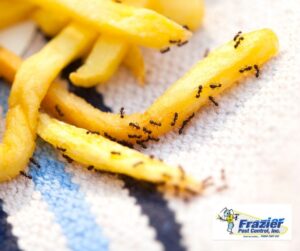 It doesn’t take a pool of syrup to attract ants—just a bit of jam or juice residue is enough. Ants can detect and follow even the tiniest sugar molecules.
What to do: Wipe up jam, juice, and other sugary spills promptly. If ants have formed a trail, clean the ants and the trail with a sponge and soapy water, then check where they are entering. UC IPM recommends soapy water to remove the scent trail left by invading ants.
6. Leaky Pipes or Damp Areas
Ants need water as much as food. Leaky pipes under sinks, damp mop buckets, or condensation around your fridge can all act as hydration stations for thirsty ant colonies.
What to do: Fix leaks right away, wipe up condensation, and avoid leaving damp cloths or mops lying around. If the same trail returns after you address the leak, follow our guide to stopping ant trails from coming back in Palm Springs for the next steps on entry points, moisture, and colony-focused control.
7. Accessible Pantry Items
Unsealed cereal boxes, sugar bags, and snack containers are open invitations to ants. In homes throughout the Coachella Valley, we often find ants nesting in or near pantries with easy access to food.
What to do: Store dry goods in sealed plastic or glass containers with tight-fitting lids. Even better—use airtight bins for extra protection.
Ants do not all seek the same food. Depending on the species, they may forage for sweets, proteins, oils, or seeds. If trails continue despite sealed pantry items, use Frazier’s ant identification guide to understand which ants you may be seeing before choosing a bait
8. Outdoor Plants That Produce Sweet Sap or Nectar
If you have decorative plants near your home—especially ones like hibiscus or bottlebrush—they may attract ants looking for nectar. These ants often find their way indoors as they explore.
What to do: Trim back foliage near your foundation, and inspect the area for ant trails. Keep mulch and plants at least 12 inches away from your exterior walls to reduce attraction.
Ant Problems? Frazier Pest Control Has You Covered
If you’ve spotted ants in your kitchen, bathroom, or anywhere else in your home—even after cleaning—there’s a good chance a hidden food source is fueling the infestation. But don’t worry: you don’t have to fight ants alone.
At Frazier Pest Control, we’ve been helping Coachella Valley homeowners stay pest-free for over 38 years. Our licensed technicians understand the unique challenges of desert living, from heatwaves that drive ants indoors to moisture issues following rare storms. We’ll identify what’s attracting ants to your home and develop a custom treatment plan that actually works.
FAQ: Feeding Ants in Your Home
Q: Why do I still have ants if my house is clean?
A: Even clean homes can harbor invisible food sources—like sugary residues, crumbs behind appliances, or damp areas—that ants love. Our technicians can pinpoint these attractants and help you eliminate them.
Q: Are natural remedies like vinegar or cinnamon effective?
A: They might disrupt ant trails temporarily but won’t eliminate the colony. For long-term control, it’s best to combine prevention with professional treatment tailored to your home.
Q: How fast can an ant infestation grow?
A: Very quickly. Once a scout ant finds food, it leaves a pheromone trail that attracts hundreds more. That’s why acting fast is crucial—especially during peak ant season in spring and summer.
Call Frazier Pest Control Today
If ants are turning your home into a buffet, don’t wait. Call the trusted local experts at Frazier Pest Control today. We serve Palm Springs, La Quinta, Rancho Mirage, Cathedral City, and all surrounding areas with prompt, effective service. (760) 328-6115
Let us help you stop feeding the ants—and start living pest-free.
Recent Comments