
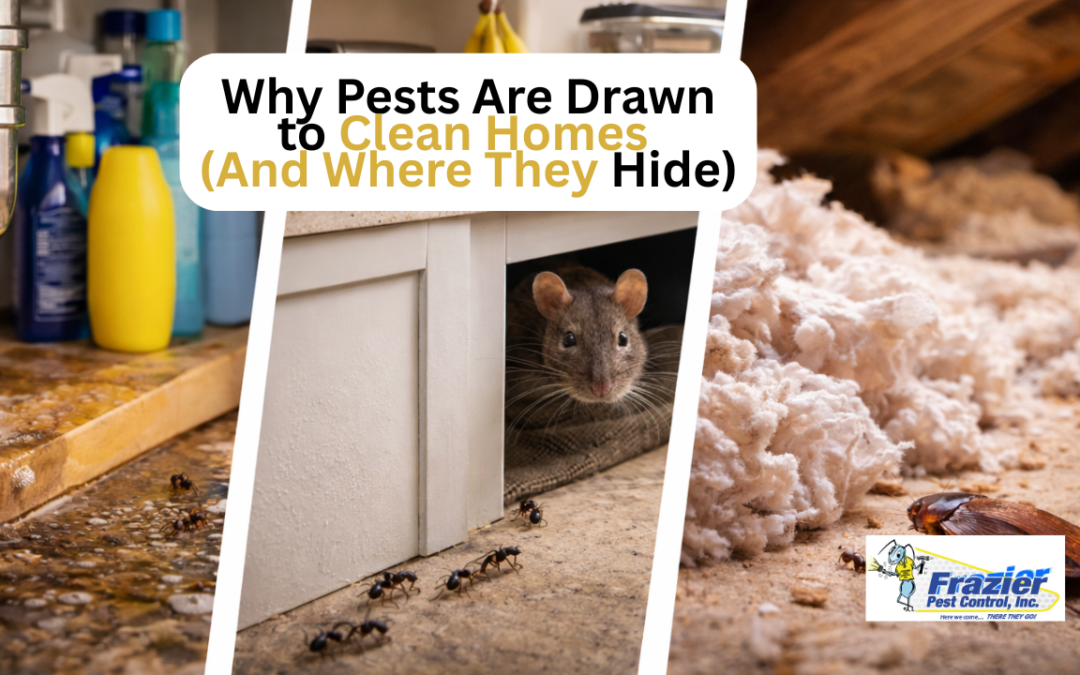
Many homeowners assume that pests are only attracted to dirty or neglected homes. Food left out, trash piling up, or poor hygiene often get the blame. But one of the biggest misconceptions in pest control is that cleanliness alone prevents infestations.
In reality, pests are frequently found in very clean homes. In the Coachella Valley especially, pests are not drawn to mess — they are drawn to resources and shelter, both of which exist even in well-maintained houses.
Understanding why pests enter clean homes — and where they hide — is key to preventing long-term infestations.
Read more: Gamers Beware: Roaches Could Be Hiding in Your PS5 or Xbox
Clean Homes Still Provide What Pests Need
 Pests don’t move indoors randomly. They are searching for three things:
water, shelter, and consistent access.
According to the Environmental Protection Agency, moisture and entry points are two of the most common reasons pests invade homes — regardless of cleanliness.
Even spotless homes still contain plumbing, condensation, wall voids, and structural gaps that pests rely on.
Read more: Why Squishing Ants Can Make Your Infestation Worse
Water Matters More Than Food
In desert climates, water is often more attractive to pests than food. Ants, cockroaches, and rodents will travel significant distances to find moisture.
Common hidden water sources include:
Slow plumbing leaks under sinks
Condensation from air conditioning lines
Water heater closets
Irrigation overspray near foundations
Ants commonly follow plumbing lines directly into kitchens and bathrooms, even when no food is present.
Read more: The Smell of Cockroaches: What It Means and How to Get Rid of It
Pests Prefer Quiet, Undisturbed Areas
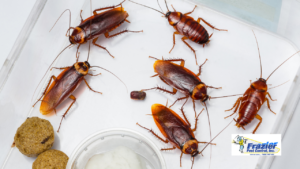 Clean homes are often organized, which means fewer disturbances in certain spaces. Pests take advantage of this by nesting in areas that rarely get checked.
Some of the most common hiding places include:
Behind and under appliances
Inside cabinets and wall voids
Garages and storage rooms
Attics and insulation
Closets and spare rooms
Cockroaches, for example, prefer dark, tight spaces close to moisture — not open countertops.
The University of California Integrated Pest Management program explains that pests often establish themselves in low-traffic areas long before they are seen.
Read more: What Are the Symptoms of a Black Widow Spider Bite? Coachella Valley
Entry Points Exist Even in Well-Maintained Homes
Newer or well-kept homes are not sealed environments. Small gaps around vents, plumbing penetrations, garage doors, and rooflines are common — and often invisible to homeowners.
Rodents can enter homes through openings as small as a quarter, according to the USDA.
Once inside, pests can remain hidden for weeks or months.
Read more: Why Cockroaches Come Out at Night (and What Daytime Means)
Why Cleaning Alone Doesn’t Solve the Problem
Cleaning removes food, but it does not:
Seal entry points
Eliminate moisture sources
Address nesting areas
Stop pests already inside walls
This is why many homeowners continue to see pests despite regular cleaning.
Read more: Are Brown Widow Spiders More Poisonous Than Black Widow Spiders
Frequently Asked Questions
Q: Can pests really live in clean homes?
Yes. Clean homes still provide water, shelter, and access points.
Q: Why do pests keep coming back if there’s no food out?
Because moisture and nesting areas are still present.
Q: Are garages and attics a concern even if they’re clean?
Absolutely. These are some of the most common hiding and entry areas.
Pests don’t care how clean your home looks — they care about access, moisture, and shelter. If pests are appearing despite your best efforts, the issue is likely hidden where cleaning can’t reach.
The longer hidden pest activity goes unchecked, the harder it becomes to stop.
Frazier Pest Control specializes in identifying where pests hide and why they’re entering — not just treating what you see.
👉 Schedule a professional inspection today:
https://frazierpestcontrol.com/
📞 Call (760) 328-6115
Recent Comments