

Seeing a pest in your home can be unsettling. But not every sighting automatically means you have an infestation. One of the most common questions homeowners ask is whether they’re dealing with an isolated issue — or something more serious.
Understanding the difference between occasional pests and a true infestation can help you respond correctly, avoid unnecessary stress, and prevent small problems from turning into costly ones.
Read more: Why Squishing Ants Can Make Your Infestation Worse
What Occasional Pest Activity Looks Like
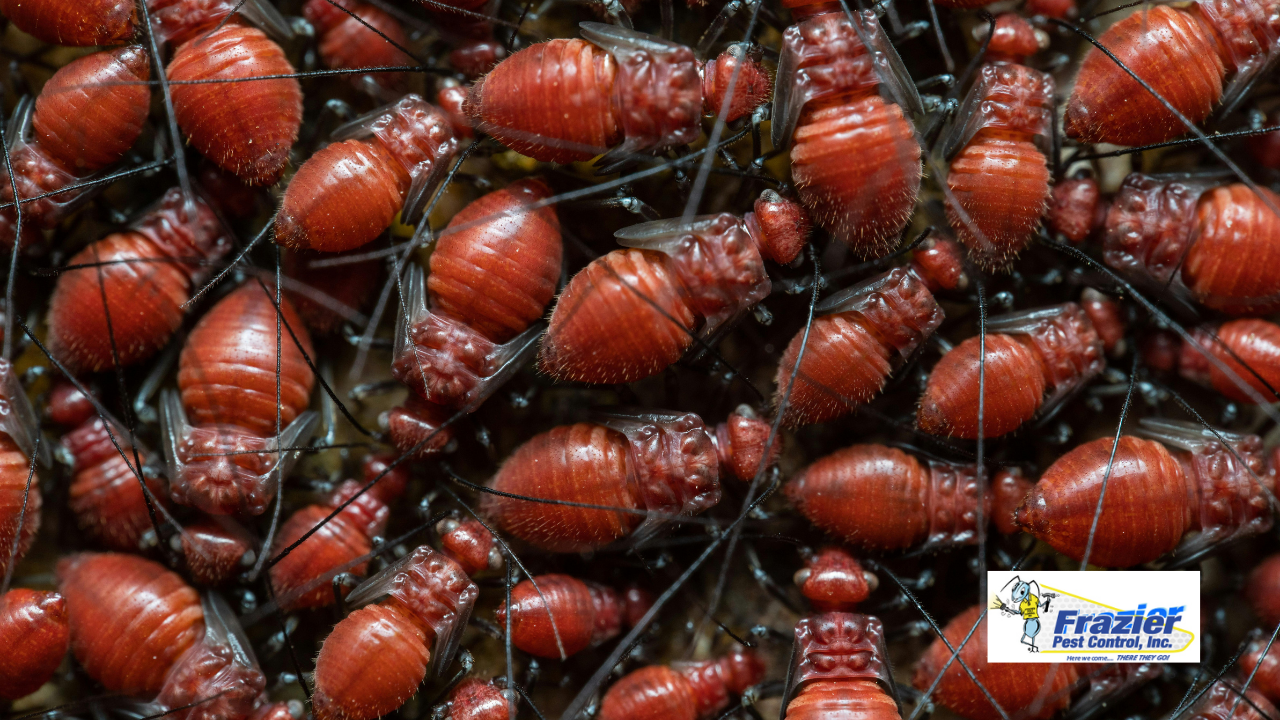 Occasional pests are typically single sightings that don’t repeat frequently and don’t show clear patterns. These pests may wander indoors accidentally while searching for food, water, or shelter.
Examples include:
One ant appearing near a door or window
A spider found in a corner or garage
An insect that appears once and is not seen again
According to the Environmental Protection Agency, occasional invaders often enter homes by mistake and may not establish nesting sites indoors.
These situations usually don’t involve breeding populations or ongoing activity.
Read more: Why Cockroaches Come Out at Night (and What Daytime Means)
What Defines a Pest Infestation
 An infestation is very different. It means pests have established themselves inside or around the home, found resources, and begun reproducing.
Signs of an infestation include:
Repeated sightings in the same areas
Pests appearing daily or weekly
Trails, droppings, or grease marks
Activity during daylight hours
Noises in walls, ceilings, or attics
Ant infestations, for example, often involve foraging trails leading back to hidden nests.
Cockroach infestations usually remain hidden at first, with visible activity increasing as populations grow.
The University of California Integrated Pest Management program explains that visible pest activity often indicates an established population, not a new arrival.
Read more: What Are the Symptoms of a Black Widow Spider Bite? Coachella Valley
Why Infestations Feel Like They Appear Suddenly
Many infestations develop quietly. Pests hide in wall voids, under cabinets, behind appliances, and in attics. By the time activity becomes visible, the infestation has often been present for weeks or months.
Rodents are a common example. They may enter through very small openings and nest out of sight. According to the USDA, rodents can squeeze through openings as small as a quarter.
Read more: Gamers Beware: Roaches Could Be Hiding in Your PS5 or Xbox
Key Differences at a Glance
Occasional pests:
Isolated sightings
No clear patterns
No visible nesting or trails
Activity does not increase
Infestations:
Repeated sightings
Patterns in location or timing
Signs of nesting or reproduction
Activity increases over time
Read more: Insects in Palm Springs, CA: What You Need to Know
Why Misjudging the Difference Matters
Assuming an infestation is “just a one-off” can allow pests time to spread, reproduce, and cause damage. On the other hand, reacting aggressively to a single, isolated pest may lead to unnecessary treatments.
Correct identification allows for the right response at the right time.
Read more: How Your HVAC System Could Be Attracting Cockroaches in Desert Homes
Frequently Asked Questions
Q: How many pests mean an infestation?
It’s not about the number — it’s about patterns, repetition, and signs of nesting.
Q: Can a clean home still have an infestation?
Yes. Cleanliness doesn’t prevent pests from entering or nesting.
Q: Should I wait to see if the problem goes away?
Repeated activity should never be ignored. Early action prevents escalation.
If you’re unsure whether you’re seeing an occasional pest or the early signs of an infestation, waiting is the riskiest choice.
Infestations rarely resolve on their own — they grow quietly until they become disruptive and expensive.
Frazier Pest Control specializes in identifying pest activity early, determining whether a problem is isolated or established, and stopping infestations before they spread.
👉 Schedule a professional inspection today:
https://frazierpestcontrol.com/
📞 Call (760) 328-6115
Recent Comments