

Cockroaches rarely appear by accident. When you see one inside your home, it usually means there’s a hidden access point allowing them to enter — and possibly nest.
In the Coachella Valley, cockroach activity is common year-round due to warm temperatures, irrigation systems, and dense residential construction. Even clean, well-maintained homes can unknowingly provide small openings that roaches use to get inside.
Understanding where these hidden entry points exist is the first step toward preventing infestations.
Read more: Why Squishing Ants Can Make Your Infestation Worse
Why Cockroaches Enter Homes in the First Place
Cockroaches are not searching for dirty environments. They are looking for:
• Moisture
• Shelter
• Warmth
• Easy access
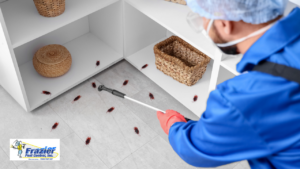 According to the Environmental Protection Agency, sealing entry points is one of the most important steps in preventing indoor infestations.
In desert climates like Coachella Valley, indoor plumbing and irrigation systems make homes especially attractive.
Read more: Why Cockroaches Come Out at Night (and What Daytime Means)
Common Hidden Entry Points Most Homeowners Miss
1️⃣ Gaps Around Plumbing Penetrations
Where pipes enter walls — especially under sinks and behind appliances — small gaps often go unsealed. These openings lead directly into wall voids, providing cockroaches with a protected pathway indoors.
2️⃣ Cracks in Stucco and Foundation
Desert heat causes expansion and contraction in building materials. Over time, small cracks form in stucco and foundations. These narrow openings are more than enough for cockroaches to enter.
The University of California Integrated Pest Management program explains that even minor structural gaps can allow persistent pest entry.
3️⃣ Garage Door Seals and Thresholds
Garage doors rarely seal perfectly. Small gaps underneath or along the sides allow cockroaches to move inside at night. Once inside the garage, they can access wall voids and living spaces.
4️⃣ HVAC and Utility Openings
Air conditioning lines, cable wiring, and exterior utility boxes often have small openings around them. These areas are rarely inspected and can serve as reliable entry routes.
5️⃣ Drain Lines and Sewer Access
Some cockroach species, especially German and American cockroaches, can travel through sewer systems and emerge through drains if plumbing barriers are compromised.
According to the CDC, cockroaches are highly adaptable and capable of entering structures through surprisingly small openings.
Read more: What Are the Symptoms of a Black Widow Spider Bite? Coachella Valley
Why You May Not Notice the Entry Points
Cockroach entry points are usually:
• Behind appliances
• Under cabinets
• Along baseboards
• Inside wall cavities
• Near water heaters
By the time you see visible activity, cockroaches may already have established themselves in hidden nesting areas.
Read more: Gamers Beware: Roaches Could Be Hiding in Your PS5 or Xbox
Signs Entry Points Are Being Used
If you notice:
• Roaches appearing at night
• Activity near sinks or appliances
• Droppings resembling pepper flakes
• Musty odors in cabinets

The Hidden Gaps Letting Cockroaches Into Your Coachella Valley Home
There’s a strong chance they are entering through one of these hidden gaps.
Read more: Insects in Palm Springs, CA: What You Need to Know
Why Sealing Entry Points Isn’t Always Enough
While sealing gaps is important, cockroaches reproduce quickly. If they’ve already established a presence inside walls or cabinets, simply blocking access won’t eliminate the population.
Professional treatment focuses on:
• Identifying active entry routes
• Eliminating nesting areas
• Addressing moisture sources
• Creating long-term prevention barriers
Read more: How Your HVAC System Could Be Attracting Cockroaches in Desert Homes
🚨 Don’t Ignore the First Roach You See
Cockroach infestations grow quietly. Waiting to see if the problem resolves on its own often allows populations to expand behind walls and under flooring.
If you’ve seen even one roach indoors, it’s time to investigate the hidden access points.
👉 Schedule an inspection today:
https://frazierpestcontrol.com/
📞 Call (760) 328-6115
Early action prevents long-term infestations.
Recent Comments